Sure, here is the introduction for your blog post:
Discover the Power of Anti-Aliasing in Photoshop
In the world of graphic design and digital image editing, anti-aliasing is a crucial technique that can make a significant difference in the quality of your work. Join us as we delve into the fascinating world of anti-aliasing in Photoshop and learn how it can enhance the smoothness and sharpness of your designs. Get ready to take your digital artistry to the next level!
Understanding Anti-Aliasing in Photoshop: Enhancing Image Quality to Perfection
Understanding Anti-Aliasing in Photoshop: Enhancing Image Quality to Perfection
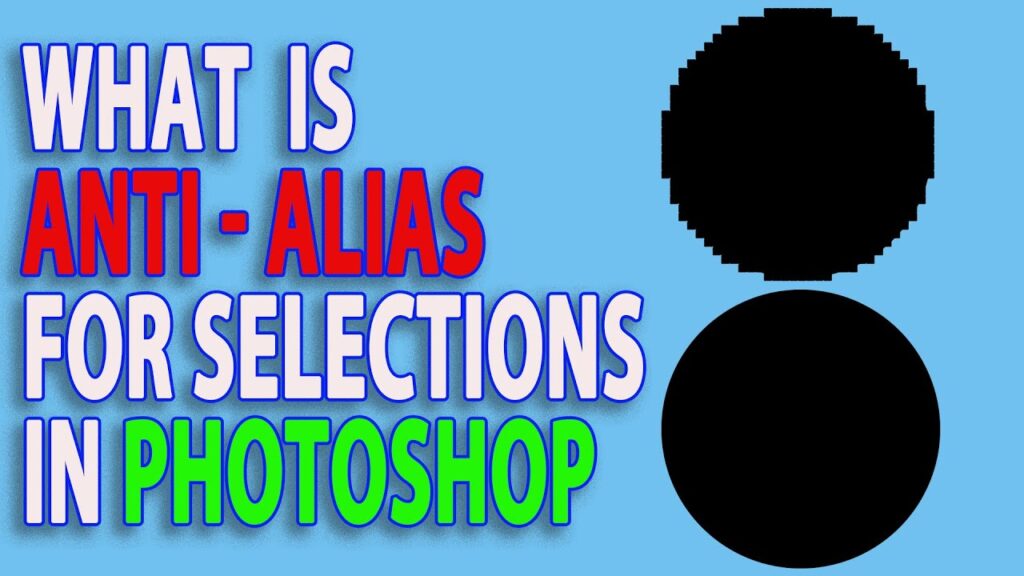
Anti-aliasing is a crucial concept in the world of digital image editing, particularly in software like Adobe Photoshop. Implemented to reduce visual artifacts and enhance image quality, anti-aliasing smoothens jagged edges resulting from low-resolution images or when scaling down.
Why is Anti-Aliasing Important?
When we zoom into an image, we often notice that the edges of objects appear jagged or pixelated. This effect is known as aliasing. It occurs due to the finite resolution of digital images. Anti-aliasing algorithms help mitigate this issue by introducing smoother transitions between colors, resulting in a more visually appealing image.
How Does Anti-Aliasing Work?
Anti-aliasing works by blending the edges of pixels with neighboring pixels to create a smoother transition. The algorithm analyzes the color values of adjacent pixels and assigns intermediate colors to the edges. This blending technique tricks the human eye into perceiving higher resolution and smoother edges.
Common Anti-Aliasing Techniques
1. Supersampling: Supersampling anti-aliasing (SSAA) is a brute-force approach where the image is initially rendered at a higher resolution and then downscaled. This technique produces excellent results but requires significantly more processing power.
2. MSAA: Multisample anti-aliasing (MSAA) selectively applies anti-aliasing to edges, improving performance compared to SSAA. However, it may not effectively reduce aliasing in complex scenes with fine details.
3. FXAA: Fast approximate anti-aliasing (FXAA) is a post-processing technique that analyzes the final image and smooths jagged edges. It is computationally efficient but may introduce blurring in some cases.
4. SMAA: Subpixel morphological anti-aliasing (SMAA) combines the strengths of MSAA and FXAA. It provides high-quality anti-aliasing while maintaining good performance and minimizing blurring.
Choosing the Right Anti-Aliasing Method
The choice of anti-aliasing method depends on factors such as the desired level of image quality, available processing power, and the complexity of the scene. In Photoshop, users can select the appropriate anti-aliasing method based on their specific requirements.
In conclusion, understanding anti-aliasing is essential for achieving optimal image quality in software like Photoshop. By employing the right anti-aliasing technique, users can enhance the visual appearance of digital images and ensure a more professional final product.
Frequent Questions
What is anti-aliasing in Photoshop?
Anti-aliasing in Photoshop is a technology that helps to smooth out jagged edges and reduce pixelation in images. It works by blending the colors of pixels along the edges of objects, creating a smoother and more natural appearance.
How does anti-aliasing affect the quality of images in Photoshop?
Anti-aliasing in Photoshop improves the quality of images by reducing jagged edges and improving their smoothness.
Are there different types of anti-aliasing techniques used in Photoshop?
Yes, there are different types of anti-aliasing techniques used in Photoshop.
In conclusion, anti-aliasing in Photoshop is a crucial technique that enhances the visual quality of digital images and graphics. By reducing jagged edges and creating smoother transitions, it significantly improves the overall appearance and professionalism of designs. The various anti-aliasing options available in Photoshop provide users with flexibility and control to achieve the desired level of sharpness and smoothness in their artworks. Whether for web design, digital illustrations, or photo editing, understanding and effectively utilizing anti-aliasing in Photoshop is essential for any technology enthusiast or professional seeking to deliver visually compelling and polished results.