
Welcome to my Geek blog! In this article, we will explore how to open .xltx files in Excel 2003. Whether you’re new to Excel or just encountering this file format for the first time, don’t worry! We’ll guide you through the process step by step. So, let’s dive in and unleash the power of Excel 2003!
Unlocking the Power of .xltx Files in Excel 2003: A Comprehensive Guide
Unlocking the Power of .xltx Files in Excel 2003: A Comprehensive Guide
In today’s technology-driven world, Microsoft Excel is a crucial tool for data analysis and management. Excel’s versatility lies not only in its ability to handle vast amounts of data but also in its customizable features. One such feature that often goes unnoticed is the .xltx file format.
.xltx files are Excel template files that serve as a starting point for creating new workbooks. They provide a structured layout and formatting options, allowing users to save time and effort by not having to recreate the same design repeatedly. However, many Excel 2003 users overlook the potential benefits of this file format due to its compatibility limitations.
While Excel 2003 does not have native support for .xltx files, there are workarounds to unlock their power. The first step is to ensure that you have the latest updates and service packs installed for Excel 2003. These updates often include compatibility enhancements and bug fixes that can resolve any issues related to working with newer file formats.
Once your Excel 2003 is up to date, you can utilize converters or online tools to convert .xltx files into a compatible format, such as .xls or .xlsx. This enables you to open and edit the template, preserving the original layout and formatting.
Alternatively, if you frequently work with .xltx files and want a seamless experience within Excel 2003, you can opt for third-party add-ins or plugins. These extensions provide native support for newer file formats, including .xltx. With the installation of these tools, you can directly open, edit, and save .xltx files without any compatibility issues.
By unlocking the power of .xltx files in Excel 2003, users can enhance their productivity and streamline their workflows. The ability to use templates saves time, ensures consistency in design, and improves overall efficiency when working with data in Excel.
In conclusion, understanding how to leverage the potential of .xltx files in Excel 2003 is crucial for technology enthusiasts who rely on the software for their data management needs. Whether through updates, converters, or third-party solutions, users can harness the benefits of .xltx files and optimize their Excel experience.
Frequent Questions
How do I open a .xltx file in Excel 2003?
To open a .xltx file in Excel 2003, you need to convert it to an older file format. Excel 2003 cannot directly open .xltx files. You can do this by selecting “Save As” in Excel and choosing an older file format like .xls.
Is it possible to open an .xltx file in Excel 2003?
No, it is not possible to open an .xltx file in Excel 2003.
What steps do I need to follow to access a .xltx file in Excel 2003?
To access a .xltx file in Excel 2003, you need to follow these steps:
1. Ensure that Excel 2003 is installed on your computer.
2. Double-click on the .xltx file you want to open.
3. Excel 2003 should automatically open and display the contents of the .xltx file.
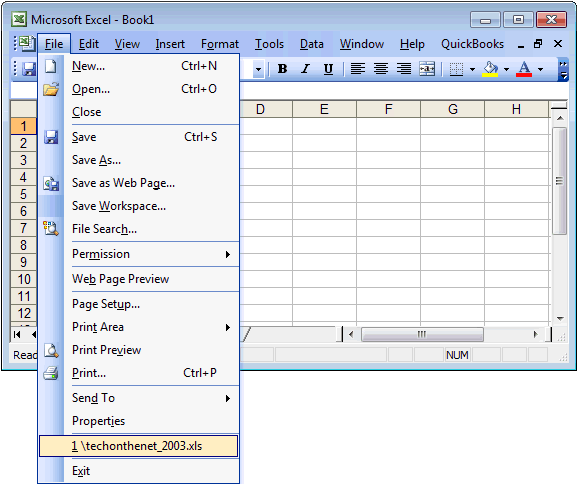
4. If Excel 2003 does not open the file automatically, open Excel 2003 first, then go to File > Open, and browse for the .xltx file on your computer.
5. Once you locate the file, select it and click “Open” to access the .xltx file in Excel 2003.
In conclusion, being able to open .xltx files in Excel 2003 is a valuable skill for those who still rely on this legacy software. By following the steps outlined in this article, you can successfully access and utilize these templates in Excel 2003. Despite the advancements in technology and the availability of newer versions of Excel, it’s important to embrace compatibility and find ways to work with older file formats. With the right knowledge and tools, you can continue to leverage the power of Excel 2003 while staying current in the ever-changing world of technology.