
OpenAI just hit back at Apple. On Friday, November 27, the ChatGPT maker filed a countersuit in federal court in San Jose, California, bringing twelve claims against the iPhone maker. At its core, OpenAI accuses Apple of stealing trade secrets for its upcoming AI devices through a rehired former employee, pressuring the suppliers that work with OpenAI, and using employees’ personal iCloud accounts as a trap. Apple denies all of it and calls the countersuit an attempt to distract from its own lawsuit. None of this has been proven yet: trial is set for July 19, 2027.
The turn is striking because until recently Apple and OpenAI were partners: ChatGPT was built into the iPhone in 2024. Now they’re accusing each other of the same thing, stealing secrets, with the race for the next great personal device of the AI era sitting in the middle of it. Apple, whose Black Friday event is live right now, is opening another front in the middle of its biggest sales week.
OpenAI’s three accusations
The countersuit, an 81-page filing, rests on three main accusations. The first reads like a spy novel: an engineer OpenAI calls “Employee X” who, according to the filing, joined OpenAI from Apple in late 2025 to work on the camera, enclosure, and manufacturing quality of a device that hasn’t been announced yet. Over about six months, the engineer allegedly sent more than 100 confidential files to his personal accounts and phone numbers, including a 76-page supplier document. On May 19, 2026, he told his supervisor he was leaving to care for his family in China; he left OpenAI on June 2 and was back at Apple by June 26. OpenAI claims, on information and belief and without having proven it yet, that he briefed Apple operations leaders on the hardware work he had seen in July. Apple denies that briefing. The filing sums it up this way: “Given the timing, it now appears that stealing those documents may have been his reason for joining OpenAI in the first place.”
The second accusation targets the supply chain. OpenAI says Apple asked shared vendors to name the staff assigned to its projects. According to the filing, one manufacturer that had worked with OpenAI without trouble refused to keep doing so, another moved OpenAI’s work on a shared anodizing line to an overnight shift after Apple objected to it running alongside its own production, and a third dropped planned work, citing threats from Apple. The detail matters because OpenAI says it has only one or two qualified suppliers for many functions, and nearly all of them also work for Apple.
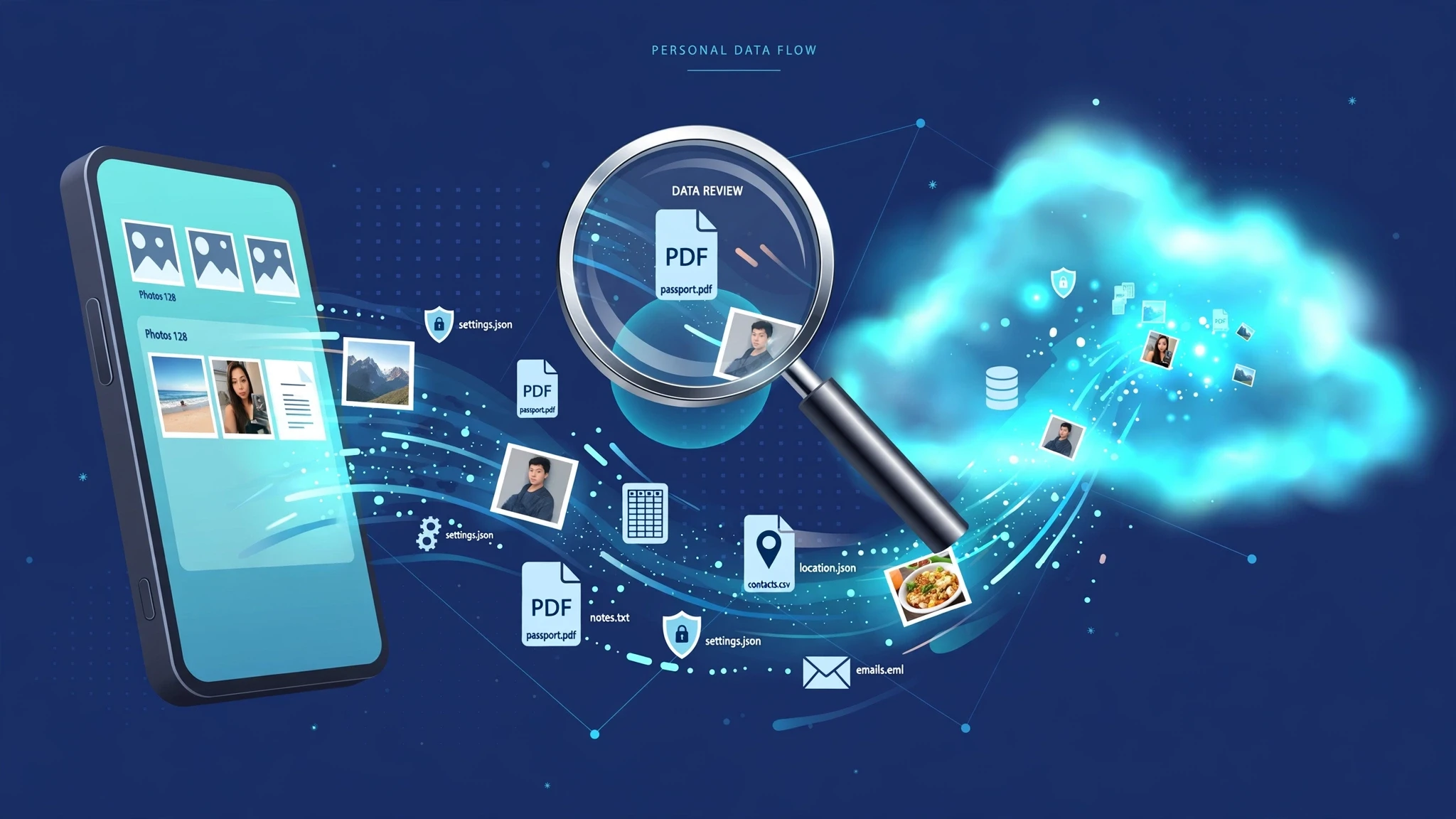
The third accusation reaches beyond these two companies. OpenAI claims Apple encourages employees to keep work files in their personal iCloud accounts and do Apple business over personal iMessage, so work and private life end up mixed in a single account. And when an employee says they’re leaving for a competitor, Apple asks them to exit the same day, with no time to separate Apple’s confidential information from their personal material. The complaint calls that practice a trapdoor that lets Apple accuse anyone who leaves for a rival of stealing trade secrets.
How it started: Apple sued first
The fight didn’t start on Friday. On July 10, 2026, Apple sued OpenAI, its hardware unit io Products, and two former employees, Tang Tan and Chang Liu, for allegedly stealing trade secrets to build an AI device. Tan spent about 24 years at Apple, rose to vice president of product design, and led development of the iPhone and Apple Watch; he co-founded io and is now OpenAI’s chief hardware officer for consumer products. Liu was a senior iPhone electrical engineer who joined OpenAI in January 2026.
The backdrop is OpenAI’s acquisition of io, the startup of Jony Ive, the former Apple design chief famous for the iPhone, which OpenAI bought in May 2025 for about $6.5 billion to build its first device. In October, OpenAI first described “Employee X” in a court document, and that same month an agreement between the parties ended Apple’s request for an injunction without deciding whether anything had been taken. Apple insists OpenAI has already been ordered to stop using its confidential information.
What Apple says
Apple didn’t stay quiet. A spokesperson said the counterclaims are “a transparent attempt to distract from the substance of Apple’s lawsuit,” adding that “this case is about OpenAI employees deliberately stealing, accessing, and using Apple’s secret and confidential information regarding our unreleased technologies, processes, and products — not about inadvertent retention of Apple information.”
The company says it trains employees to keep work and personal files separate, with a work-specific iCloud account, and that it doesn’t pursue claims against former employees who accidentally retain files on personal iCloud accounts. Apple had also said before that it found no evidence to support OpenAI’s trade secret theft allegations, and that it has strict policies so new hires don’t use confidential information from previous workplaces.
What comes next
Trial is set for July 19, 2027, and both companies have asked for a jury trial. Until then, everything each side claims remains an unproven allegation, and the case will turn largely on documents: who took what, who pressured whom, and what Apple’s employment contracts actually say.
What’s at stake goes beyond the courtroom. OpenAI is building AI-powered personal devices with Apple’s former design chief, and its first device is reportedly due in 2027. The countersuit itself says Apple “has struggled to incorporate innovative AI capabilities into its previously popular products,” while OpenAI “is in the process of developing new, much-anticipated AI-enabled personal electronic devices — threatening to outcompete Apple on what Apple views as its own turf.” Amazon, Meta, Google, and a host of startups are chasing the same opening. Meanwhile, Apple’s Black Friday event wraps up on Monday, November 30, with gift cards from $25 to $300: the legal war and the sales war, in the same week.
Frequently asked questions
Who is “Employee X”?
An operations engineer who joined OpenAI from Apple in late 2025 and returned to Apple in June 2026. OpenAI accuses him of sending more than 100 confidential files about its devices to personal accounts over about six months. His name doesn’t appear in the filing: OpenAI identifies him only as “Employee X.”
What are the twelve claims?
They’re the counterclaims filed by OpenAI, its hardware unit io, and the two former employees Apple sued in July, Tang Tan and Chang Liu. Four come from OpenAI and io, covering trade secret theft, interference with supplier contracts, and unfair competition; the rest belong to Liu and Tan, over the validity of Apple’s intellectual property agreements and their privacy.
When is the trial?
July 19, 2027, in federal court in the Northern District of California. Both companies have asked for a jury trial.
Does this affect iPhone or ChatGPT users?
Not for now. It’s a fight between two companies over trade secrets and access to suppliers. None of the allegations have been proven, and neither Apple nor OpenAI has announced any product changes because of this case.