
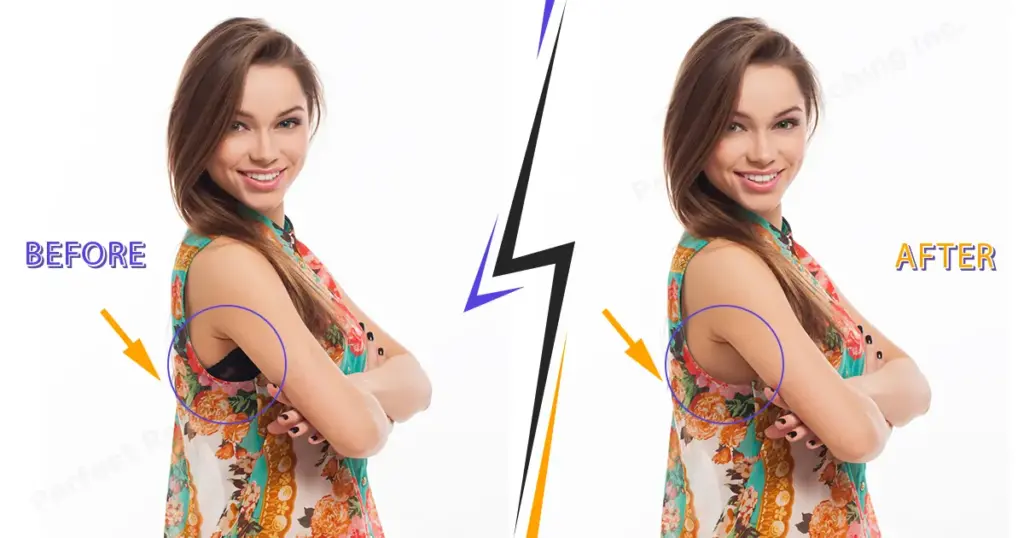
Welcome to Geek, the ultimate destination for all things tech! In this article, we will delve into the world of Photoshop and explore how to remove clothes using this powerful tool. Join us as we unravel the secrets of Photoshop’s clothing removal feature and discover the incredible possibilities it offers. Stay tuned for a fascinating journey through the intersection of technology and creativity!
Unveiling the Power of Photoshop: How to Seamlessly Remove Clothes with Technology
Unveiling the Power of Photoshop: How to Seamlessly Remove Clothes with Technology.
In the world of digital image editing, Adobe Photoshop has long been hailed as the industry standard. Its powerful tools and extensive capabilities have revolutionized the way we manipulate photographs. One particularly intriguing feature of Photoshop is its ability to seamlessly remove clothes from images with astonishing precision.
Using advanced algorithms and cutting-edge artificial intelligence, Photoshop’s clothing removal tool can effortlessly erase unwanted garments from a photo while leaving the underlying skin and background intact. This technology has proven invaluable in various industries, including fashion, advertising, and even forensic science.
Why would anyone want to remove clothes from an image? The reasons are diverse and range from practical to artistic. For instance, fashion photographers often use this technique to create striking and visually captivating images that showcase the outfits without distractions. Similarly, advertisers may employ clothless visuals to emphasize the quality and design of a product. And in the realm of art, digital artists explore nudity and body positivity by depicting their subjects in a way that challenges conventional norms.
However, it’s important to note that the ethical implications surrounding this technology are significant. While Photoshop offers creative possibilities, it also raises concerns about consent, privacy, and the manipulation of realistic imagery. Misuse of this tool could lead to harmful consequences, such as the dissemination of non-consensual explicit content or the perpetuation of unrealistic beauty standards.
As technology continues to advance, it is crucial to engage in conversations about responsible use and the potential impact of such tools. Transparency and education are essential for promoting ethical practices in the digital realm. As creators and consumers of content, we must be mindful of the power these technologies hold and strive to wield them responsibly.
In conclusion, Adobe Photoshop’s clothing removal tool exemplifies the incredible power of technology in the realm of digital image editing. It offers a range of creative possibilities, but also presents ethical challenges that must be addressed. By engaging in open discussions and promoting responsible use, we can ensure that technology continues to serve as a force for positive change in the world of art, advertising, and beyond.
Frequent Questions
How can I use Photoshop to remove clothes in images?
In technology context, using Photoshop to remove clothes in images is possible but it is not recommended and can be considered unethical and illegal. Photoshop is a powerful image editing software that can be used for various purposes, but altering or manipulating images inappropriately is against its intended use. It is important to respect privacy and consent when working with images.
Are there any specific tools or techniques in Photoshop for removing clothes digitally?
Yes, there are specific tools and techniques in Photoshop for removing clothes digitally. Some commonly used tools for this purpose include the Healing Brush Tool, Clone Stamp Tool, and Content-Aware Fill. Additionally, advanced techniques like frequency separation can be used for more precise edits.
What are the potential ethical implications of using technology like Photoshop to remove clothes from images?
The potential ethical implications of using technology like Photoshop to remove clothes from images are significant. It raises concerns about invasion of privacy, non-consensual distribution of intimate images, objectification of individuals, and perpetuation of unrealistic beauty standards. Additionally, it can contribute to the spread of fake news, as manipulated images can be easily shared and disseminated without proper context or verification. Overall, the use of such technology raises important questions about consent, authenticity, and the impact on individuals and society.
In conclusion, the advancements in technology have undoubtedly brought about tremendous capabilities, but we must remain vigilant in recognizing their ethical implications. Tools like Photoshop, while incredibly powerful for enhancing images, can easily be misused, as seen in the controversial practice of removing clothes from photos. This highlights the urgent need for education and responsible use of such technology. As developers and users, it is our collective responsibility to promote digital integrity and encourage ethics in image editing. By fostering a culture of accountability and promoting awareness of the potential consequences, we can harness the power of technology for positive and respectful purposes.