
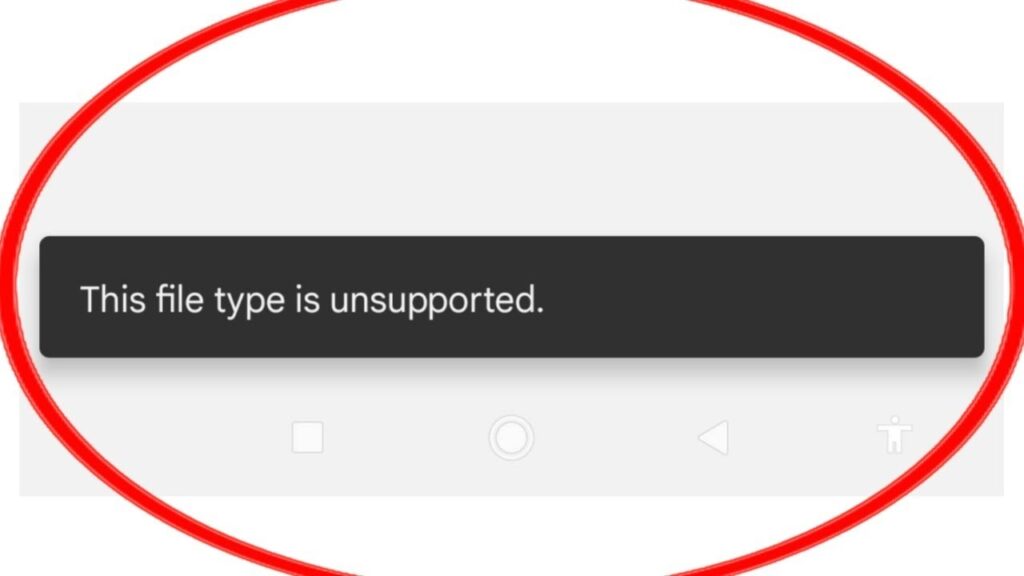
Title: Unsupported File Types in Google Drive: What You Need to Know
Introduction: Are you struggling with uploading files to Google Drive only to find out they are unsupported? In this article, we’ll explore the common file types that Google Drive doesn’t support and provide you with practical solutions to overcome this limitation. So, let’s dive in and unravel the mysteries of handling unsupported file types on Google Drive!
How to Deal with Unsupported File Types in Google Drive
One common challenge in Google Drive is dealing with unsupported file types. When you encounter such files, it’s important to know how to handle them effectively. Here are some strategies to tackle this issue:
1. Convert the file: If the unsupported file type is something like a Word document or PowerPoint presentation, you can convert it to a supported format using Google Docs or Slides. Simply right-click on the file, select “Open with,” and choose the corresponding Google app. Then, use the “File” menu to save it in a compatible format.
2. Use third-party apps: There are various third-party applications available that can help you open unsupported file types in Google Drive. For example, if you have a specific file extension like .eps or .ai, you can search for online tools or browser extensions designed to handle those file types. These tools often allow you to view or convert the files directly in Google Drive.
3. Download and open locally: In some cases, the best solution might be to download the unsupported file and open it with a dedicated software application on your computer. This option allows you to use the appropriate software for that specific file type without relying solely on Google Drive’s capabilities.
4. Request support: If you frequently encounter unsupported file types in Google Drive, consider reaching out to Google Support for assistance. They may be able to provide insights or offer solutions to help you handle those files more effectively within the platform.
Remember, finding the right approach depends on the specific unsupported file type you’re dealing with. By utilizing these strategies, you can overcome the limitations of unsupported file types in Google Drive and continue to work efficiently.
Frequent Questions
What should I do if I encounter an unsupported file type error on Google Drive?
If you encounter an unsupported file type error on Google Drive, you can try converting the file to a supported format or using alternative software to open it.
How can I find out which file types are supported on Google Drive?
You can find out the supported file types on Google Drive by visiting the official Google Drive Help Center or by checking the “Upload files” option on the Google Drive platform.
Is there a way to convert unsupported file types to a compatible format on Google Drive?
Yes, *there are third-party apps and online converters available* that can convert unsupported file types to a compatible format for Google Drive.
In conclusion, understanding the concept of unsupported file types in Google Drive is crucial in navigating the world of technology. Google Drive offers a wide range of file compatibility, but it is important to recognize that certain files may not be supported. This could potentially create limitations and challenges when it comes to managing and accessing specific file formats. However, with the ever-evolving nature of technology, it is possible that Google Drive’s supported file types list will expand in the future. Users should stay informed about updates and explore alternative solutions for handling unsupported file types, such as converting them to compatible formats or utilizing third-party applications. By staying up-to-date and adapting to technological advancements, individuals can fully harness the capabilities of Google Drive and other platforms for efficient file management and collaboration.