
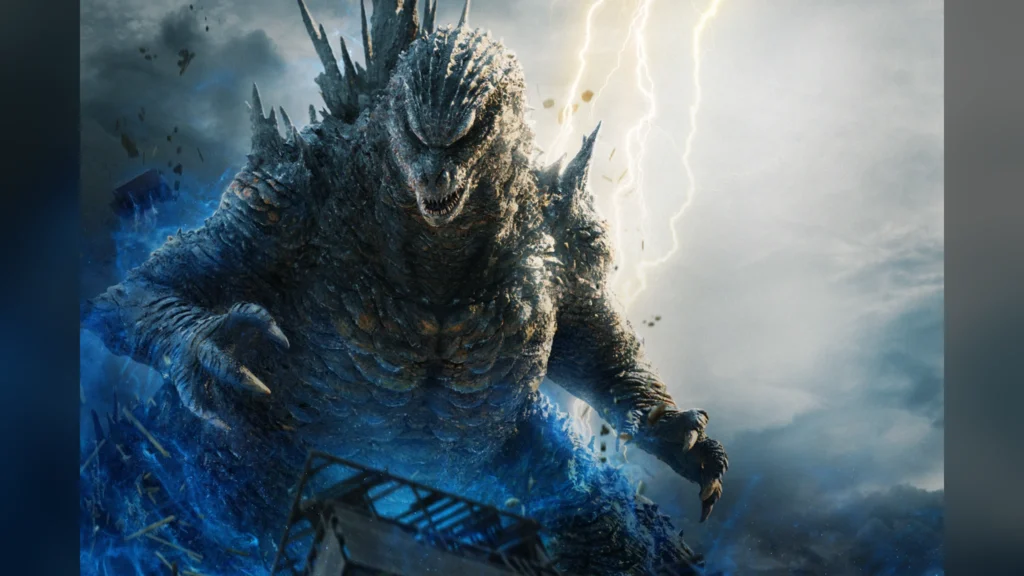
Godzilla didn’t need a full weekend to make history in the United States. Godzilla Minus Zero took in $13.5 million on its first Friday in North America, including $6.7 million from Thursday previews, and estimates put it on track for a $30 to $33 million weekend. If that holds, it will be the biggest opening ever for a live-action foreign-language film in North America, a record held for more than two decades by the Chinese film Hero.
The number looks even bigger next to its predecessor. Godzilla Minus One opened in 2023 with $11.4 million across its entire first weekend; its sequel beat that in a single day. And it did it in Japanese, with English subtitles, an R rating, and not one Hollywood star in the cast.
A $13.5 million Friday: how the opening played out
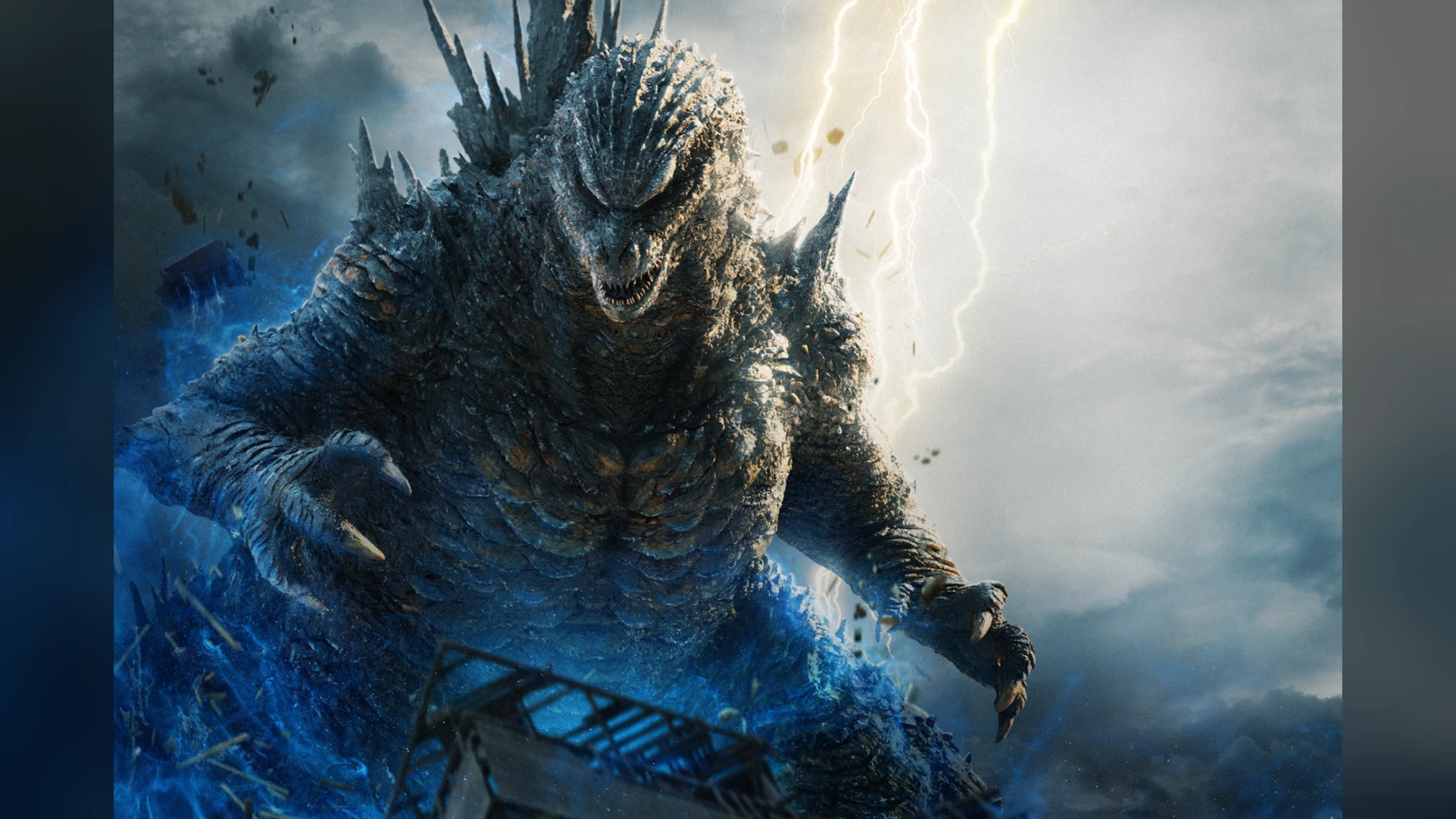
The numbers, reported by Deadline from Friday’s data, paint a flawless opening. The film played in 3,254 theaters across the United States and Canada, and the $6.7 million from Thursday previews was already a record for its distributor, GKIDS, topping the $2.39 million The Boy and the Heron made in its previews. The full Friday left the film far ahead of its closest competition, the animated The Cat in the Hat, which took in around $5 million the same day, according to estimates.
These are industry estimates, not final totals — those won’t be known until Monday. But the $30 to $33 million range Deadline is working with is built on a Friday that has already closed, and even in the weakest scenario the record is practically a lock: the film needs just $4.3 million more across the whole weekend to pass the current mark.
For GKIDS, the distributor Toho bought in 2024, the opening is already historic no matter what happens Sunday: it will be the biggest release in the company’s history, ahead of any Studio Ghibli title it has handled in North America.
The record about to fall
The record Godzilla Minus Zero is about to break belongs to Hero, Zhang Yimou’s martial-arts epic starring Jet Li, which opened in the United States in 2004 with $17.8 million in its first weekend. It was an extraordinary opening for its time: a Chinese film, with no American stars, that reached the top of the North American box office.
Since then, no live-action film in another language has come close to that number on opening weekend. There have been huge foreign-language hits in the United States — Parasite won the Oscar and grossed more than $53 million in total — but none of them did it in three days. The opening record measures immediate impact, and for 22 years Hero had no rival there.
What’s striking is that Minus Zero isn’t riding a cultural wave the way Hero did with the martial-arts boom that followed Crouching Tiger, Hidden Dragon. Its tailwind is its own predecessor: a film that won the Oscar for best visual effects and turned Godzilla into a character in a human drama, not just a monster stomping buildings.
Japan gave the first warning: the best opening day ever for a live-action film
The American opening didn’t come out of nowhere: Japan had already given the signal three days earlier. Godzilla Minus Zero opened at home on Tuesday, November 3 — Godzilla Day, the 72nd anniversary of the original 1954 film — and a national holiday in Japan. On that first day it sold more than 590,000 tickets and grossed ¥910 million, about $5.7 million, in 448 theaters, 65 of them IMAX.
According to Toho, that is the best opening day ever for a live-action film in Japan, Japanese or foreign, based on data from Kogyo Tsushin, the industry’s standard source. The figure is 201% of what Godzilla Minus One managed on its first day, on the same date in 2023. Across its first three days, the film took in ¥1.38 billion, about $8.7 million.
One caveat is in order. Deadline noted that it could not independently verify Toho’s claim, and pointed out that the all-time record for a single day in Japan belongs to anime: Demon Slayer: Infinity Castle grossed ¥1.64 billion in July 2025. So Minus Zero‘s record is for live-action films, and it came on a holiday. Even so, local forecasts point to a final total above ¥10 billion, about $63 million, which would pass the franchise’s Japanese record, the ¥8.25 billion Shin Godzilla earned in 2016.
What Godzilla Minus Zero is: 1949, Ghidorah, and Godzilla’s return
The film picks up two years after Godzilla Minus One. It’s 1949, and Japan is still rebuilding after the war — and after Godzilla’s attack: the war reduced the country to zero, and Godzilla dragged it below that, as Toho’s official synopsis puts it. Koichi Shikishima, the former pilot who defeated Godzilla, has finally built a family with Noriko Oishi, who miraculously survived the attack on Ginza, and their adopted daughter Akiko. Life, for the first time, feels normal.
It doesn’t last. A new threat arrives from space: a winged dragon the Japanese defense forces name Ghidorah, able to absorb the energy — and even the physical traits — of the living things it encounters. And while Japan organizes its defense, Godzilla, believed dead, regenerates and heads back toward the coast. The film throws two monsters at once at a family that has just gotten its normal life back and refuses to lose it again.
Ghidorah is nothing new: he’s one of the franchise’s classic monsters, the golden three-headed dragon that has been Godzilla’s enemy since the 1960s. But he has never been presented like this — not just a creature that destroys, but one that absorbs and transforms with what it devours. The trailers also showed one of the campaign’s most talked-about images: Godzilla facing the Statue of Liberty, a sign that this time the destruction doesn’t stay in Japan.
Behind the camera, Takashi Yamazaki returns, once again writing, directing and supervising the visual effects, with Naoki Sato on the music and Shirogumi handling the effects. It’s the 39th entry in the franchise and the 34th produced by Toho. The cast brings back the first film’s leads, Ryunosuke Kamiki as Koichi and Minami Hamabe as Noriko, alongside Hidetaka Yoshioka, Yuki Yamada, Kuranosuke Sasaki, Miou Tanaka, Sakura Ando, Min Tanaka, Masami Nagasawa and Jun Kunimura.
The first Japanese production shot for IMAX
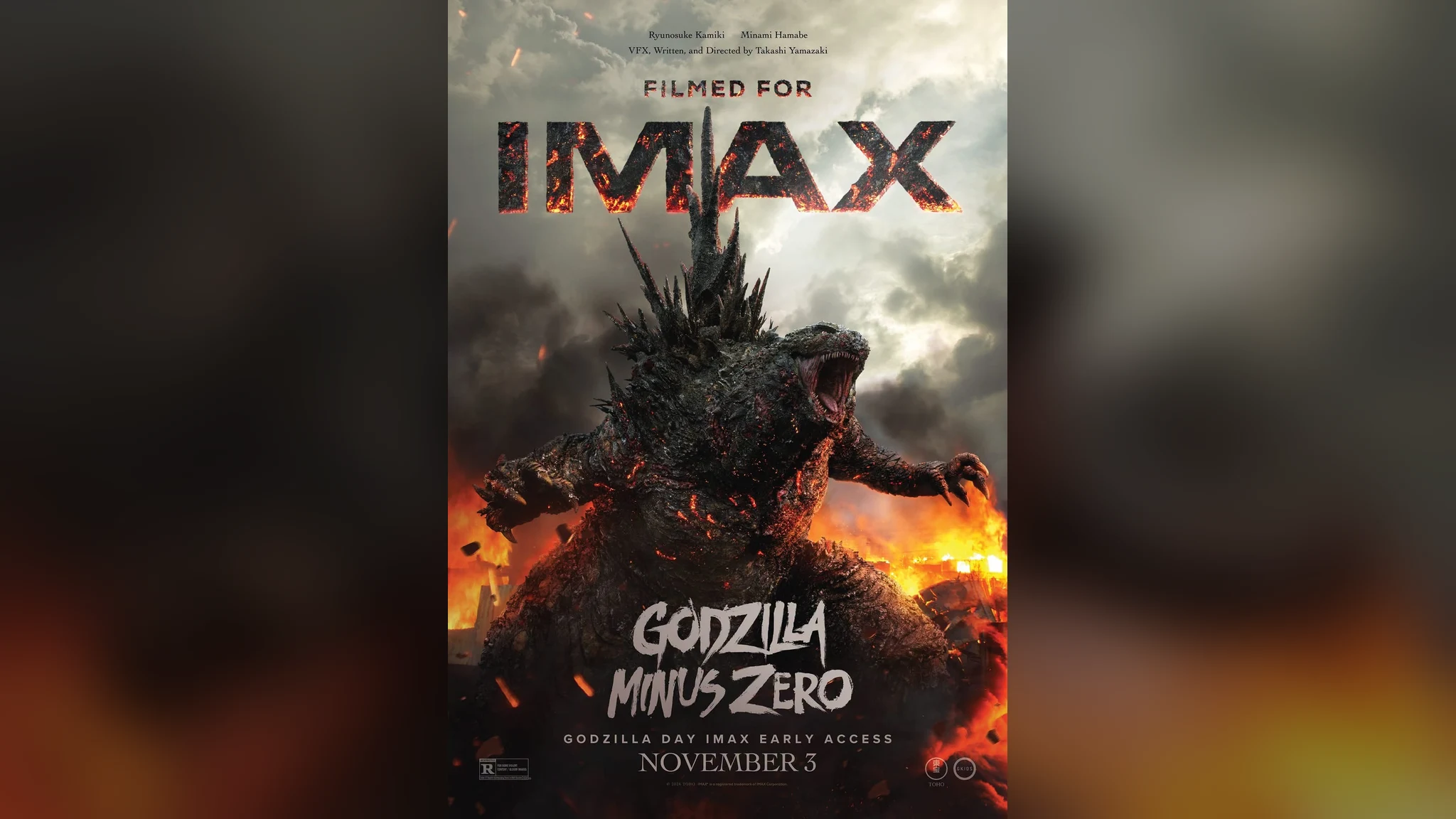
One technical detail explains part of the excitement — and part of the box office: Godzilla Minus Zero is the first Japanese production shot for IMAX, with IMAX-certified digital cameras and sequences in the 1.43:1 format, the tall frame that fills the entire screen in IMAX theaters. In Japan, 65 of the 448 opening theaters were IMAX, and in the United States the film opened in that format too, along with 4DX and D-BOX.
The big-screen bet has another side: it is the first Godzilla film rated R in the United States, for “violent content and bloody images.” None of the previous 38 entries reached that level. The rating hasn’t slowed the box office at all, but it says something about the tone: Yamazaki has made a sequel that is bigger, louder and darker than the first film.
The reported budget, around $15 million, puts the numbers in their real context: a modest figure for a film of this size in Hollywood, where a monster blockbuster costs ten times as much, and very close to Minus One‘s. A $15 million film grossing $13.5 million in a single day in a single market is, in business terms, an anomaly.
The critics are on board: 89% on Rotten Tomatoes and an A from CinemaScore
The box office isn’t everything, and here the critics are pointing the same way. Godzilla Minus Zero opened with 89% on Rotten Tomatoes from 84 reviews, with the Certified Fresh seal, and a 96% audience score on the Popcornmeter, from more than 500 ratings. Those are strong numbers for any opening, let alone a sequel to a film that closed with 99% from critics and 98% from audiences.
The nuance is in the less enthusiastic reviews. GamesRadar+ called it “easily one of the best films of the year,” but IGN gave it a 7 out of 10 and said it doesn’t carry the same emotional weight as Minus One, and TheWrap described it as a great sequel but not one of the great Godzilla films. The consensus is that the movie delivers plenty of spectacle — effects, kaiju fights and IMAX scale — while the most repeated complaint is that Godzilla takes a while to show up and that the human story doesn’t land as hard this time as it did in the first film.
The number that should matter most to Toho and GKIDS isn’t the Rotten Tomatoes score, though: it’s the A the opening-night audience gave it on CinemaScore, the same grade Minus One earned and a rare one for a film in another language. Movies with an A tend to hold up well at the box office week after week, because word of mouth does the work advertising can’t. If that pattern holds, the $30 million weekend may only be the beginning.

From Minus One to Minus Zero: the jump is enormous
To measure what’s happening, nothing beats comparing it with the first film. Godzilla Minus One opened in the United States in November 2023 with $11.4 million in its first weekend — already remarkable for a Japanese film — and finished its run with $57.1 million in North America and around $116 million worldwide, before winning the Oscar for best visual effects.
Minus Zero has beaten its predecessor’s entire opening weekend in a single day, and it’s on pace to nearly triple it by the end of the three days. That’s a jump few sequels pull off. The simplest explanation is that Minus One didn’t just gross money: it built an audience. Anyone who saw it in theaters in 2023, or discovered it later at home, comes to this sequel with the story and the characters already in their head.
The worldwide opening, according to industry forecasts, will land around $60 million in its first weekend, with the film reaching about 60 international markets. If that holds, it will also be one of the best global openings of the year for a non-American film.
What comes next: how far can it go?
The first thing we’ll learn is whether the $30 to $33 million projection holds: the final totals arrive Monday and, barring a surprise, will confirm the opening record for a live-action foreign-language film. After that comes the question of the run. An A on CinemaScore and a 96% audience score on Rotten Tomatoes are the best possible sign for the weeks ahead, especially with a November that has no big monster releases to steal its thunder.
In Japan, the target is clear: pass ¥10 billion and with it the Shin Godzilla record, which at ¥8.25 billion is still the highest-grossing Godzilla film in its home country. And in the United States, the immediate benchmark is Minus One‘s total: $57.1 million. Everything points to Minus Zero leaving it behind before the end of its second week.
That leaves the bigger question: how much further can Godzilla grow? Three years ago, a $15 million Japanese film won the Oscar for visual effects. Today, its sequel is breaking an opening record that had stood for 22 years in the biggest market in the world. The monster that was born in 1954 as a metaphor for atomic destruction has become, 72 years later, proof that a film in another language can open like an American blockbuster. And this time, it didn’t even need to speak English.