Instagram wants long video, and it’s willing to pay for it out of its own pocket. According to Business Insider, the platform offered a hand-picked group of YouTubers between $50,000 and $500,000 to post their long videos on Features, its new format for horizontal video up to 90 minutes long. This isn’t an open program or an ad-revenue share: these are direct deals, one by one, with creators Instagram chose itself. And still, the money isn’t the most interesting part of the story. The interesting part is who’s paying it, and why now.
One honest note before going further: this is the first piece on Features on USA Geek. Recent social media coverage here includes the launch of Effect Builder, Instagram’s tool for creating effects from a text prompt, and Meta’s Muse voice assistant. This article repeats neither: here is only what is known about the creator payments, what Features is, and what Instagram hasn’t promised yet.
What Features is, and what changes
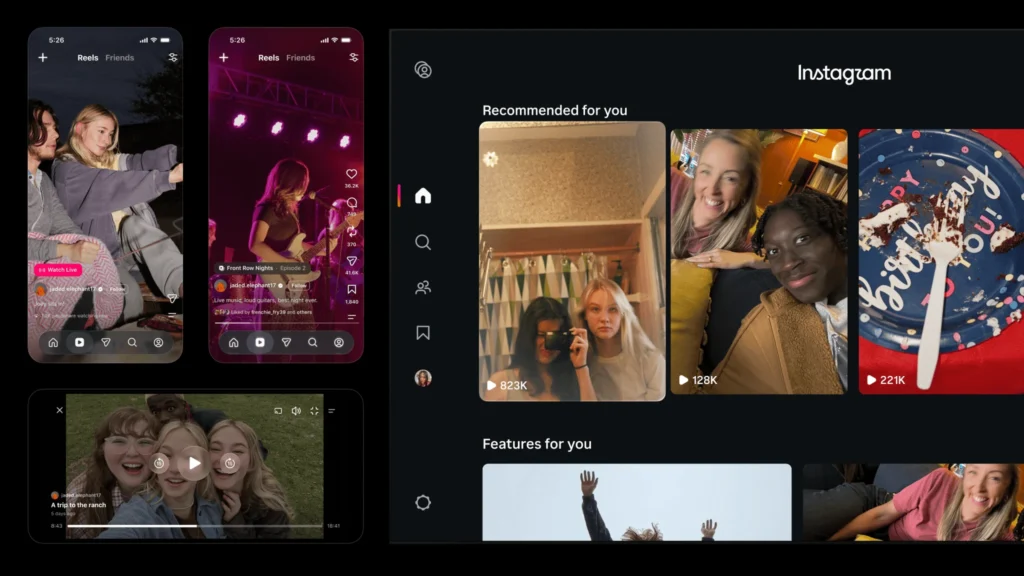
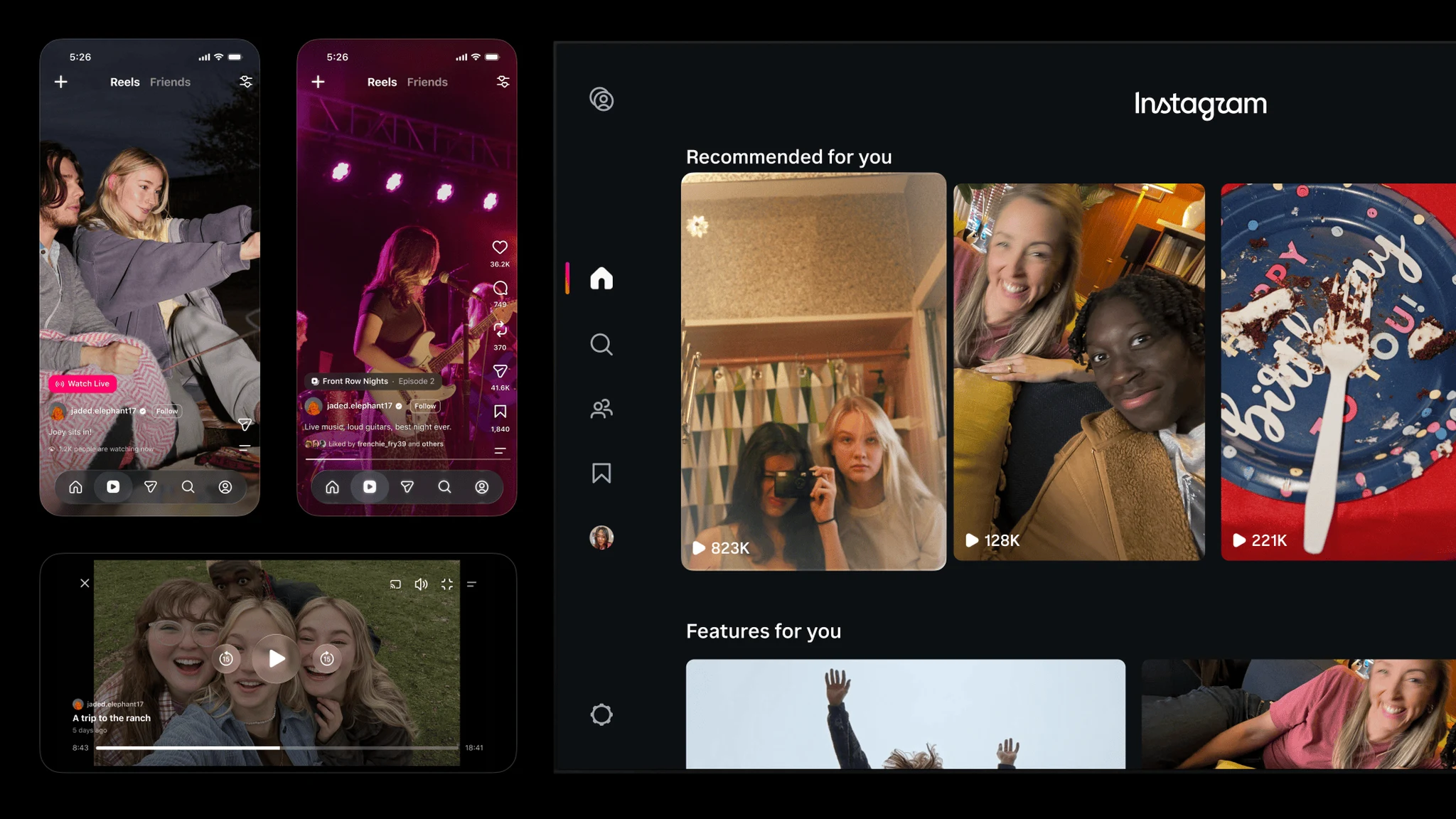
Features was announced Monday, October 26, 2026, in a video from Instagram head Adam Mosseri and VP of Product Tessa Lyons. It’s a new upload type for horizontal videos up to 90 minutes long, aimed at podcasters, comedians, and creators who already make full shows. The videos show up in the main feed and Explore, with wider thumbnails, and in Instagram’s TV app. Instagram is testing it first with a small group of creators in Brazil, then in the United States, and there’s no announced date for everyone else to use it and no public way to sign up.
The format comes with a second piece: “Clips as Reels,” which lets creators cut Reels out of the long video, with each Reel linking to the full version. The idea, in Mosseri’s words, is for short and long video to be “symbiotic”: the short Reel hooks the viewer and the long video keeps them. Viewers can also save the long video to watch in the TV app.
The check: $50,000 to $500,000, with fine print
The figures were reported by Business Insider on October 29, citing people familiar with the deals: offers starting at $50,000, six-figure sums for others, and up to $500,000 at the top. Meta confirmed it is funding Features content directly with some creators, but called the deal terms confidential and didn’t confirm the amounts. What is known about the terms: the deals aren’t exclusive, creators keep their YouTube channels, and the condition is posting the long video on Instagram the same day it goes up on YouTube.
What nobody has clarified is the payment structure: it’s not known whether the money is per video, per month, or a one-time payment, or how many creators have signed. Any claim about a per-video rate would be a guess. And there’s a contrast worth putting in writing: Features doesn’t share ad revenue. Meta told TechCrunch it’s “too early to share a long-term monetization model” and that it’s exploring ways for creators to earn from brands, fans, and Instagram, including performance-based incentives.
The YouTube contrast
The YouTube comparison is unavoidable, and it’s the reason for all of this. YouTube’s Partner Program pays creators 55% of net Watch Page ad revenue on long videos, and the platform said last year it had paid out more than $100 billion to creators, artists, and media companies over the previous four years. Instagram, by contrast, doesn’t pay per view: its monetization tools are subscriptions and brand deals, and Mosseri said so bluntly in the interview around the announcement: “we spend more money than we make back by a long shot, and so it doesn’t really make sense to scale up because we’re just burning capital.” A $500,000 check isn’t a business model: it’s the cost of importing the content Instagram doesn’t have.
Mosseri’s U-turn: from against long video to betting on it
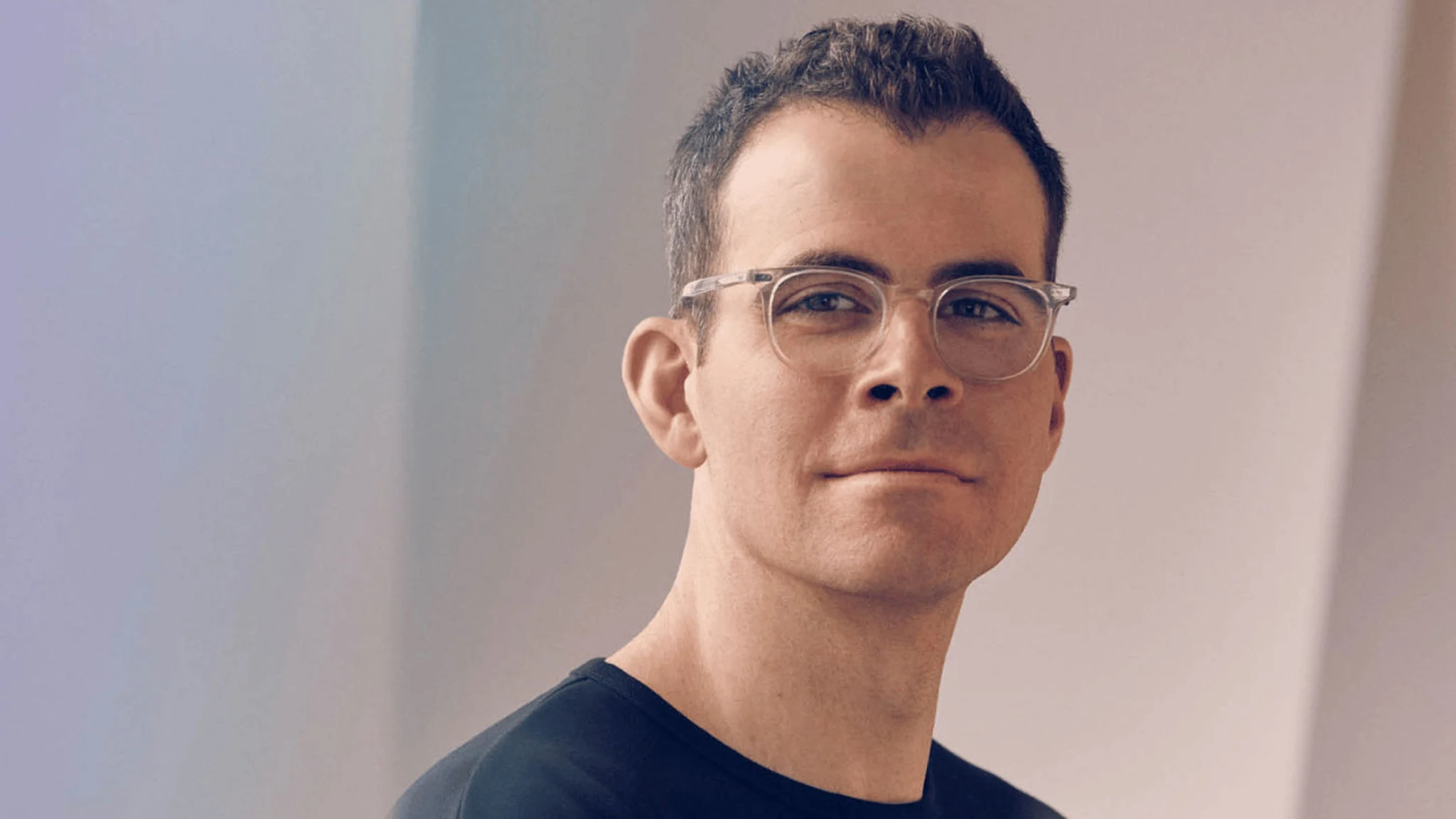
The announcement has an awkward protagonist: Mosseri himself. “For a long time, I have been against doing long-form video on Instagram,” he said in the announcement video, because short content drives more shares and DMs. The person who talked him around was Tessa Lyons, VP of Product, who had been pushing for the change. “Reels is still going to be a core part of Instagram. But when you want to go deeper with the creators you love and the content that they’re creating, you should be able to do that on Instagram,” Lyons said. That’s a 180-degree turn from the person running the platform, and he said it in public, without dressing it up.
The move makes business sense: Instagram would rather keep fans inside its own app, moving between short Reels and long videos, than lose them to YouTube every time a creator posts a full show. Long video also opens a door short video never had: more room for ads, whenever Meta decides to put them there. For now, it hasn’t confirmed whether ads will run in Features.
The AI assistant already builds storyboards and answers comments
The same week the payment story broke, Meta updated its other ace for creators: the AI-powered creator assistant. The tool, launched in June 2026, analyzes what works on Facebook and Instagram and advises the creator; since November 2, it also flags trends and opportunities in their niche, turns an idea into a storyboard with a shot list, reviews a draft before posting, and spots the most relevant viewer questions in the comments to draft replies in the creator’s own voice. It’s also available on the web now, inside Meta’s Creator Dashboard. Mosseri addressed the money question directly on X on October 28: “We understand the economics matter a ton, and are exploring multiple options to help long-form creators get paid.” The message is the same on both fronts: the platform supplies the tool, and for now, it writes the check by hand.

This has happened before: IGTV
Anyone with a memory will recognize this. Instagram launched IGTV in 2018 as its bet on long, vertical video, and shut it down in March 2022 without ever finding the business model. The difference this time is the format — horizontal, like YouTube, not vertical — and the approach: not building another app, but putting long video inside the Instagram people already use, with Reels as the front door. But the question that killed IGTV still has no answer: how does a creator make money when the video runs 90 minutes and the platform doesn’t share ad revenue? Until Meta answers that with a model instead of one-off checks, Features is a test with a budget, not a new profession.
Frequently asked questions
What is Instagram Features?
Instagram’s new format for horizontal videos up to 90 minutes long, announced October 26, 2026. The videos appear in the feed, in Explore, and in Instagram’s TV app.
How much is Instagram paying creators for long video?
According to Business Insider, between $50,000 and $500,000 to a select group of YouTubers, in direct, non-exclusive deals. Meta confirmed it funds Features content, but didn’t confirm the amounts or the payment structure.
Can anyone post a long video on Instagram?
No: for now it’s a test with selected creators in Brazil and the United States. There’s no public way to sign up and no announced date for everyone else.
Does Features share ad revenue?
Not for now — there’s no ad-revenue share on Features. Meta says it’s too early to share a long-term monetization model. YouTube, by contrast, pays partners 55% of net ad revenue.
What is the AI creator assistant?
A Meta tool, launched in June 2026, that analyzes an account’s performance and advises the creator. Since November 2026 it flags trends, turns ideas into storyboards with shot lists, reviews drafts, and drafts replies to comments in the creator’s voice.
Hasn’t Instagram tried this before?
Yes: IGTV, launched in 2018 and shut down in March 2022. The difference is that Features is horizontal, lives inside the main app, and uses Reels as the front door to long video.