
Snap settled the case before it really began. On Monday, November 2, in the middle of jury selection in Los Angeles, the company behind Snapchat reached a confidential settlement with two teenagers who accused it of designing the app to foster compulsive use and harm their mental health. There is no public figure, no admission of wrongdoing, and above all, no trial: what would have been Snap’s first trial in this wave of lawsuits ended before opening statements.
The deal, announced by the plaintiffs’ lawyers and reported by Reuters that same day, came two days before opening statements, scheduled for November 4. And with it vanished the moment many were waiting for: the sworn testimony of Evan Spiegel, Snap’s co-founder and CEO, who was set to testify about how Snapchat was designed and what the company knew about its effects on minors. CNBC reported the settlement on November 7.
The deal came in the middle of jury selection
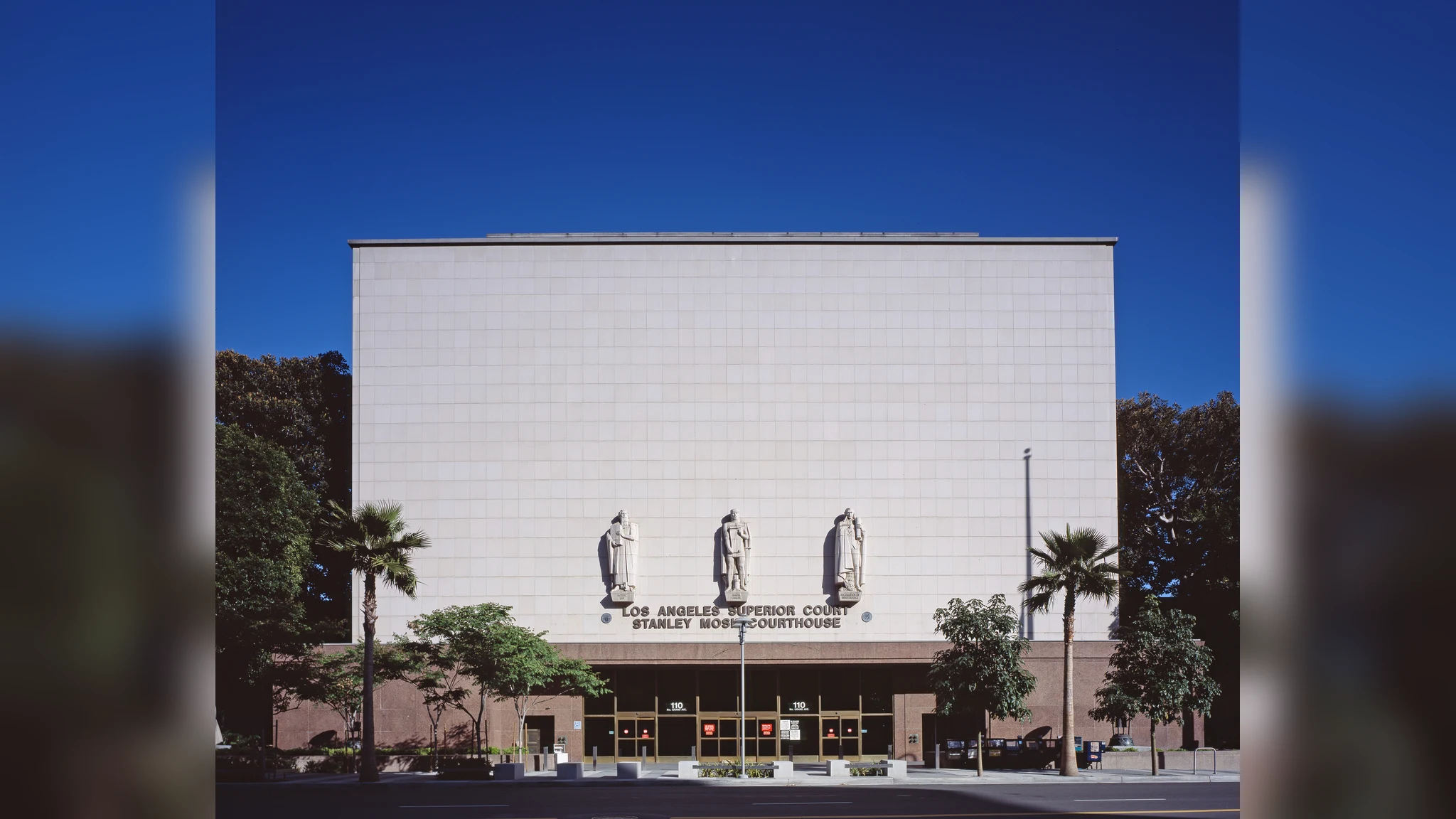
Jury selection had begun on Wednesday, October 28, in Los Angeles County Superior Court, before Judge Carolyn B. Kuhl. It was the second bellwether trial — a test case, in the U.S. system — in the coordinated social media litigation known as JCCP 5255, which brings together more than 3,000 individual lawsuits in Los Angeles. Opening statements were set for November 4.
The settlement was reached on Monday, November 2, five days into jury selection. The plaintiffs’ lawyers announced it that same day, and Snap later confirmed that the parties were pleased to have resolved the matter amicably. The terms are confidential: no amount has been disclosed, and there is no public document detailing what each side agreed to.
That the case was a bellwether is what made it matter. These trials are picked from thousands of similar lawsuits to test the arguments before a jury, and their outcome usually sets the course for the cases that follow. With the settlement there is no verdict and no precedent: the board stays as it was, except that all four companies sued have now settled rather than see this case through.
Who S.J. and K.D.B. are, and what they alleged
The plaintiffs are identified in court documents only by their initials: S.J., a 16-year-old girl from Illinois, and K.D.B., an 18-year-old from Mississippi. Both sued in 2023.
According to the lawsuit, both started using YouTube at age 3 or 4 and the other platforms at around 9. What they allege is not any specific content, but the design itself: autoplay, infinite scroll, Snapchat streaks, and algorithmic feeds that, in their account, are built to make it hard to stop using the app. The harms they allege are depression, anxiety, and eating disorders.
This needs to be said plainly: these are allegations, not facts proven before a jury in this case. The companies deny that their platforms cause those harms. The legal theory behind it — the new element in this litigation — is negligent design: it is not what users post that is on trial, but whether the way the app is built is, in itself, a defective product. That is the argument a Los Angeles jury partly accepted in the first trial, in March, and the one the companies have avoided putting to the test ever since.
Snap was the last company standing
By the time the Snap deal closed, the other defendants had already left the case. TikTok and YouTube had settled with both families before trial, and Meta did the same in two steps: with S.J. shortly before the start, and with K.D.B. on Friday, October 30, two days after jury selection began. Snap was left alone, and the trial that was about to begin would have been the first the company faced in this litigation.
It was not the first time Snap had avoided the stand. The company had already settled before other scheduled trials began, including the first Los Angeles case and another set for August 2026. The pattern repeats: when the moment comes for a jury to examine internal documents and hear from executives, the company prefers to settle. TikTok, which had also been sued in this case, took the same path before trial, as did YouTube and Meta, each in its own time.
The testimony that will never be heard: Evan Spiegel
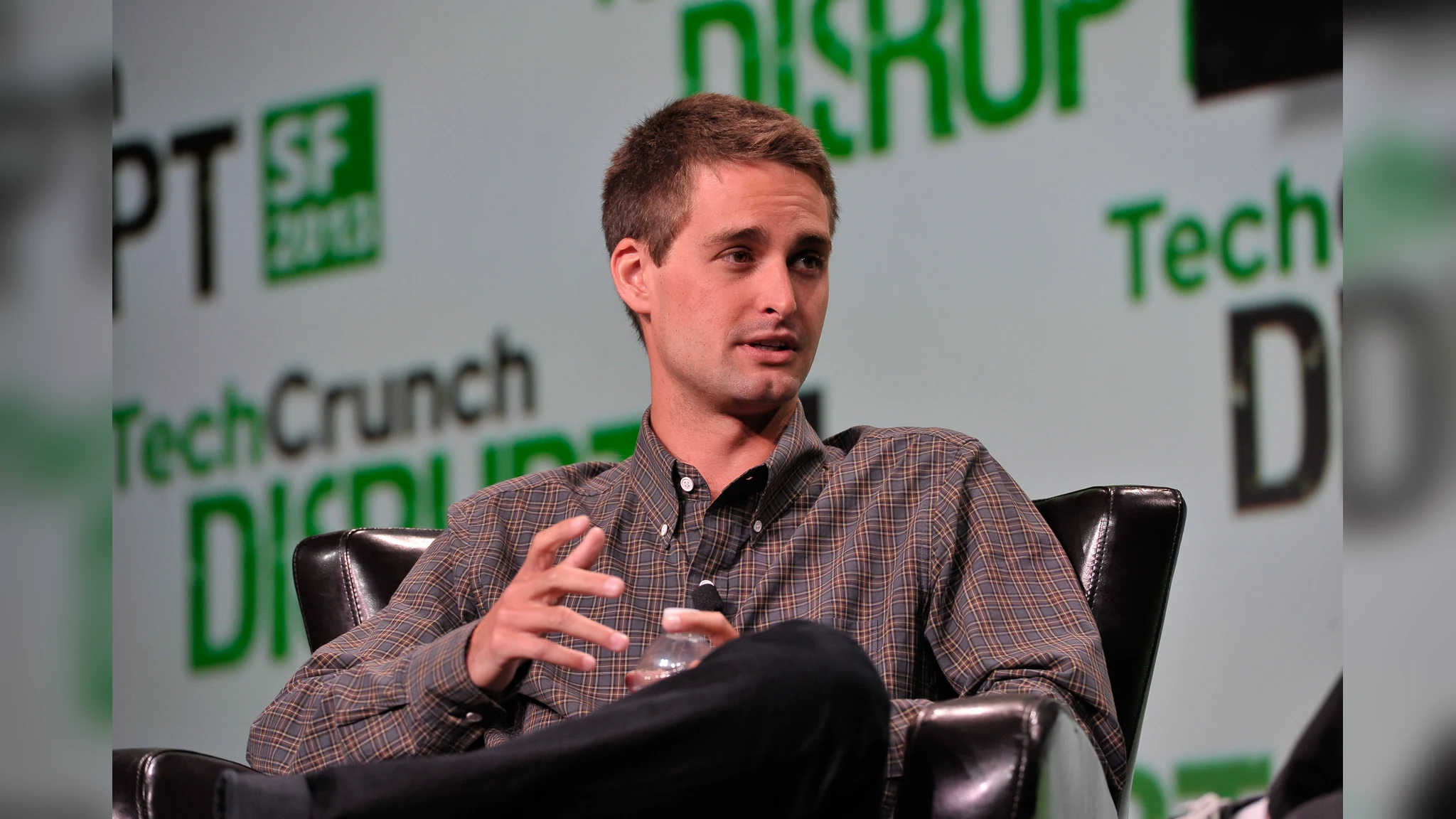
What the settlement avoids, more than the trial itself, is a testimony. Evan Spiegel, Snap’s co-founder and its CEO since he created Snapchat at 21, was set to testify about the app’s design and its safety measures. Before Meta closed its own deals, Mark Zuckerberg, Meta’s CEO, and Adam Mosseri, the head of Instagram, were also on the witness list. None of the three will have to testify in this case.
A testimony like that is no formality. The executive is not only answering for what the company did, but for what it knew and when it knew it: internal documents about the design, decisions about which features to launch and for whom, and discussions about the effects on the youngest users. It is the kind of testimony that makes headlines for weeks. That is why the plaintiffs’ lead attorney, Mark Lanier, summed up the settlement with a line that says a lot about his strategy: “Families shouldn’t have to go jury by jury to solve a problem this big.”
Snap stands by its version of events: a spokesperson told ABC News on October 28 that the allegations misrepresented the plaintiffs’ experiences and the platform’s design, and after the settlement the company said it has added safety measures and works with experts. There is no admission of liability: settling, in this context, is not admitting fault, but closing off a risk.
The March precedent: $6 million against Meta and YouTube
To understand why they all prefer to settle, look at the first bellwether trial, in March 2026: a Los Angeles jury concluded that Meta and YouTube had been negligent in the design of their products and awarded $6 million in damages to a young woman identified as Kaley G.M.: $4.2 million from Meta and $1.8 million from Google.
It was the first jury verdict in this entire litigation, and that is why it weighed so heavily: until then, the negligent-design theory was untested before a jury. The amount is not what matters; what matters is that the door was left open.
Since that verdict, the sequence has always been the same: a trial is set, the companies settle one by one, and the case closes with no verdict. It happened at the first Los Angeles trial, it happened in August, and it has happened again now.
Meta’s $17.1 billion: the figure to read carefully
Two months earlier, on August 26, 2026, Meta agreed to pay at least $12.1 billion over ten years to resolve the lawsuits brought by 51 states and territories accusing it of designing Instagram and Facebook to hook minors. The figure that keeps showing up in headlines, $17.1 billion, is the ceiling of the deal, not the commitment: the remaining $5 billion is only paid if Snap, TikTok, and YouTube adopt similar measures.
The deal was struck in the middle of a federal trial in Oakland, eight days after it began. Along with the money, Meta agreed to product changes: a two-hour daily limit for under-18s on Instagram and Facebook, dropping to one hour per app if the other companies join in, nighttime lockouts, and limited access during school hours.
Two caveats are worth keeping in mind. The first is that this money does not go to families: it is a deal between governments, and it is the states that receive it, not individuals. There is no fund parents or affected teenagers can claim from. The second is that Texas reached its own separate deal, worth about $1 billion, and that New Mexico and Florida are not part of the agreement. Even so, it is the largest settlement by a major tech company in history. Meta, like Snap, admitted no wrongdoing.
The $17.1 billion figure, then, is not what Meta will definitely pay, but the most it would pay if the other companies join in. And here is the connection to the Snap deal: each individual settlement moves that ceiling closer or further away. Meta, the company behind Facebook and Instagram, is also the one that has paid the most so far. Child-safety measures on social media, in any case, are no longer a theoretical debate: they are written into court settlements.
What is still pending: March 2027 and thousands of cases
The Snap settlement closes only these two cases. The litigation stays open: more than 3,000 coordinated lawsuits in Los Angeles County Superior Court and a parallel federal case, MDL 3047, in Oakland, with claims from school districts and state attorneys general. The next bellwether trials are set for March 2027, when the negligent-design theory will be put to the test again.
The question is whether the script will repeat in March: set the trial, settle one by one, close with no verdict. The families’ lawyers believe it cannot go on forever, because each settlement costs money and each avoided trial leaves the underlying question unanswered. The companies, for their part, have a clear incentive to keep settling: a verdict against them does not only cost money, it forces them to change the product. Joseph McNally, a former acting U.S. Attorney in California and now head of litigation at the firm McNicholas & McNicholas, put it this way to CNBC: the settlements reflect companies trying to limit public scrutiny after a year of highly visible trials about child safety.
Meanwhile, the pressure is not coming only from the courts. Spain has already banned social media for under-16s, and regulations and the debate over child protection on social media are advancing on two tracks at once: the lawsuits, which punish the past, and the laws, which try to bring order to the future. The Snap settlement resolves neither, but it confirms that no company wants to be the first to lose a case like this in front of a jury.
A week when everything moved at once
The deal did not land in a quiet week for Snap. On Tuesday, November 4, two days after the settlement, the company reported third-quarter results: revenue of $1.72 billion, up 14% year over year, and net income of $56 million, against a loss of $104 million a year earlier. But daily active users came in at 495 million, below the 499 million the market expected, and the shares fell about 11% after the close.
That same week, Meta, Google, and TikTok sued to block California’s AB 1709, which bars offering under-16s features the state classifies as “psychologically exploitative,” such as personalized recommendations and autoplay. They argue the law violates the First Amendment, overrides parents’ authority, and conflicts with Section 230. It is the other front of the same war: while some lawsuits punish the design of the past, the companies are fighting to keep the design of the future from being banned.
Also that same week, according to CNBC, parents sued Google over a teenager’s crisis after using Gemini, its AI assistant, in Google Classroom. The case is different — no longer just a social network, but an AI tool in school — yet the argument is the same: that the technology was designed without thinking about the minors who would use it.
Taken together, it paints a clear picture. The question is no longer whether teenagers need protecting, but who pays for not having done it sooner and what has to change in the design so it does not happen again. Snap has chosen to pay in private, with no verdict and no testimony from its CEO. In March 2027, when the next juries take their seats, we will see whether that strategy still works.