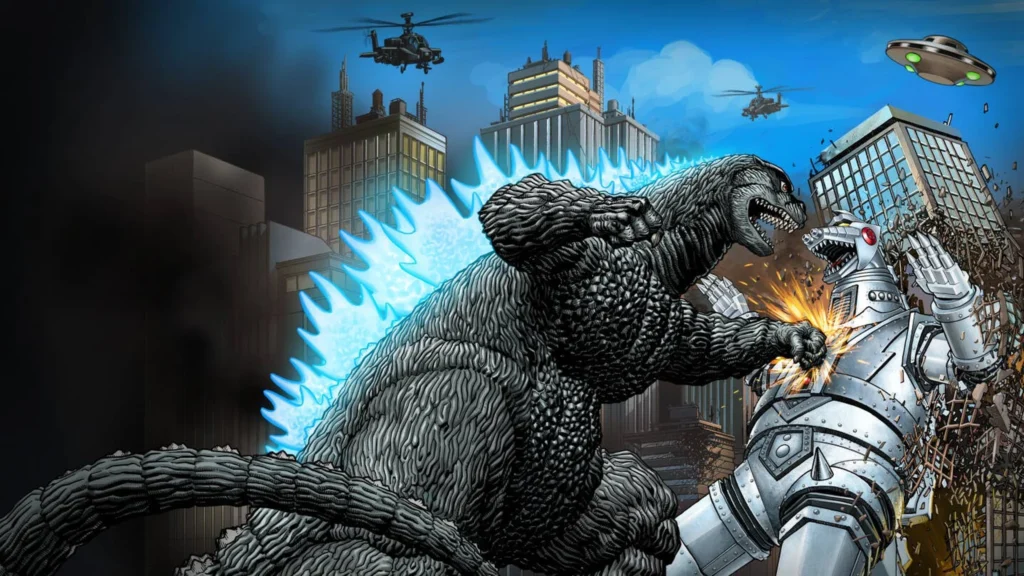
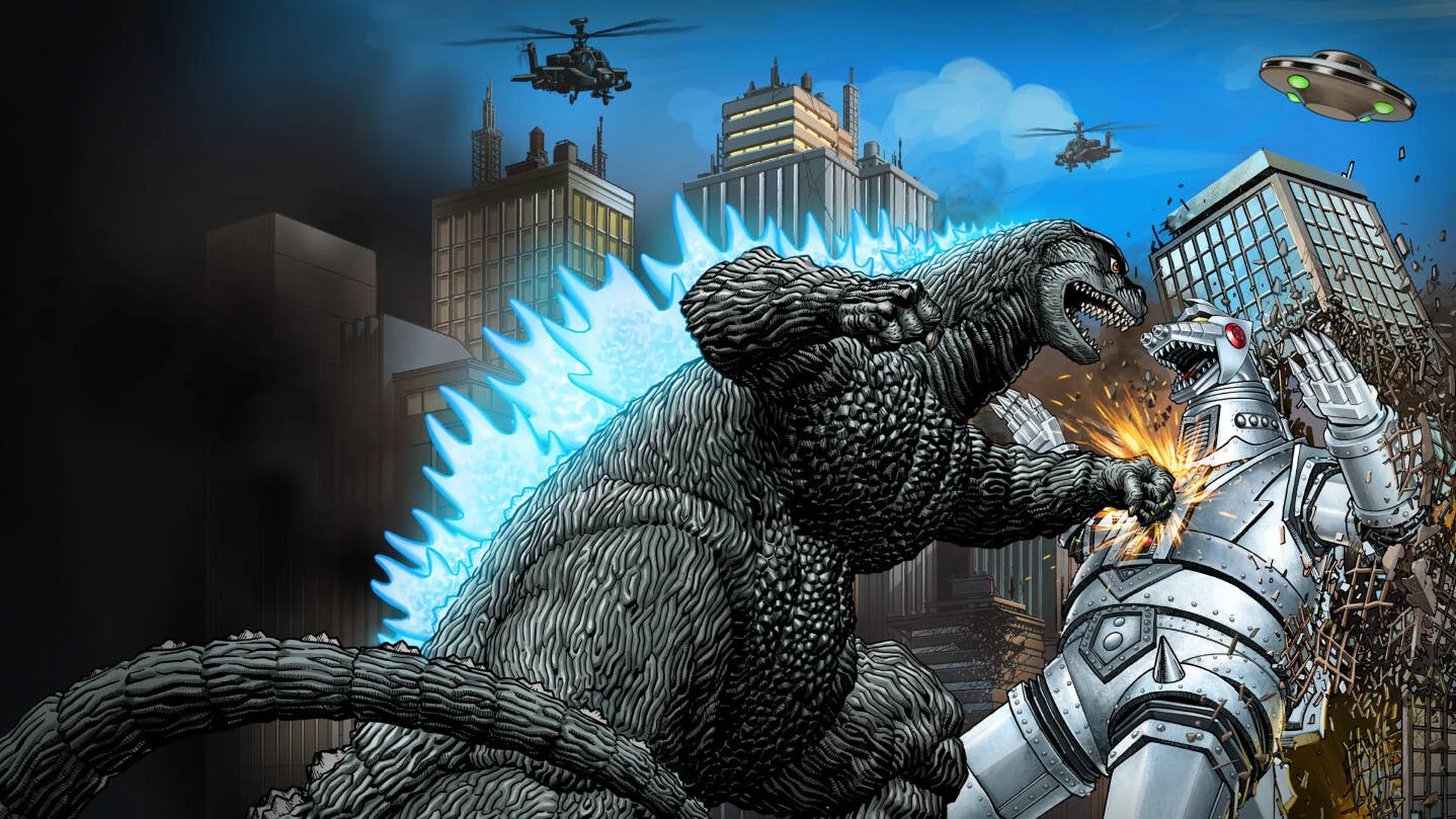
Godzilla is having a week it hasn’t had in a long time. While Godzilla Minus Zero is breaking records in US theaters, the monster-fighting game a whole generation played on GameCube just came back to consoles and PC. Atari and Pipeworks released Godzilla: Destroy All Monsters Melee Remastered on Tuesday, November 3, the return of the 2002 classic — made by the same studio that created the original.
This isn’t a quiet comeback or a quick touch-up: it’s been available since November 3 on PlayStation 5, Xbox Series X|S, Steam, Nintendo Switch and Nintendo Switch 2 for $29.99, rebuilt from the ground up in Unreal Engine 5, with online multiplayer for the first time and the same spirit as always: pick a kaiju, walk into a city and tear it all down.
Twenty-four years later, the same studio is letting the monsters loose again
The original came to North America on October 15, 2002 for GameCube, and reached Xbox in April 2003. Pipeworks developed it and Infogrames published it under the Atari name, and it stood out for something that sounds obvious today but wasn’t back then: it wasn’t a fighting game with monsters in the background, it was a game where the city was part of the fight. Buildings fell down, you could grab them and throw them, and every fight left the stage in ruins.
It earned its cult status mostly in local multiplayer: couch sessions with friends, each with a favorite kaiju, betting on who could knock down the most buildings before knocking out the other. It wasn’t the deepest fighting game on the market, but it was the easiest one to explain: you’re Godzilla, there’s Tokyo, go do your thing.
That the same studio is behind it is no small detail. Pipeworks is now a co-development veteran based in Eugene, Oregon, and has been part of Virtuos since 2025. Atari announced the project during Summer Game Fest week in June 2026 and showed the full roster at Gamescom in August. The idea, according to the studio, wasn’t to remake the game from memory, but to finish what couldn’t be done in 2002 with the technology of the time.
“With the original game, we showed players what it feels like to turn an entire city into a weapon, smashing skyscrapers and throwing buildings at each other,” said Lindsay Gupton, CEO of Pipeworks, in the launch announcement. “By rebuilding the game from the ground up with today’s technology, we’ve unlocked the scale, destruction and intensity our team always dreamed of bringing to Godzilla fans.”
Date, price and platforms: out now for $29.99
Godzilla: Destroy All Monsters Melee Remastered launched Tuesday, November 3, 2026, digitally for PlayStation 5, Xbox Series X|S, Steam, Nintendo Switch and Nintendo Switch 2, at $29.99. There’s no catch on the price: it’s the same on every platform, and it’s the full price of the game, with no season passes announced and no content locked behind an extra payment.
Anyone who prefers a physical copy has options too. Atari sells the PlayStation 5 disc edition for $29.99 and the Nintendo Switch 2 edition for $39.99, the latter a full cartridge, through its store at atari.com. The Switch digital version reached Japan and selected Asian markets on Thursday, November 5, two days after the global launch, and no physical edition has been announced for Japan so far.
On Steam there’s also a $5.99 Digital Deluxe upgrade, and the base game with that upgrade sells as a Deluxe bundle for $34.90. Atari announced no pre-order bonuses or other editions: one price, one complete game and one optional upgrade on PC. Before launch, from October 15 to 27, there was a free demo on Steam.
Not just a fresh coat of paint: rebuilt in Unreal Engine 5
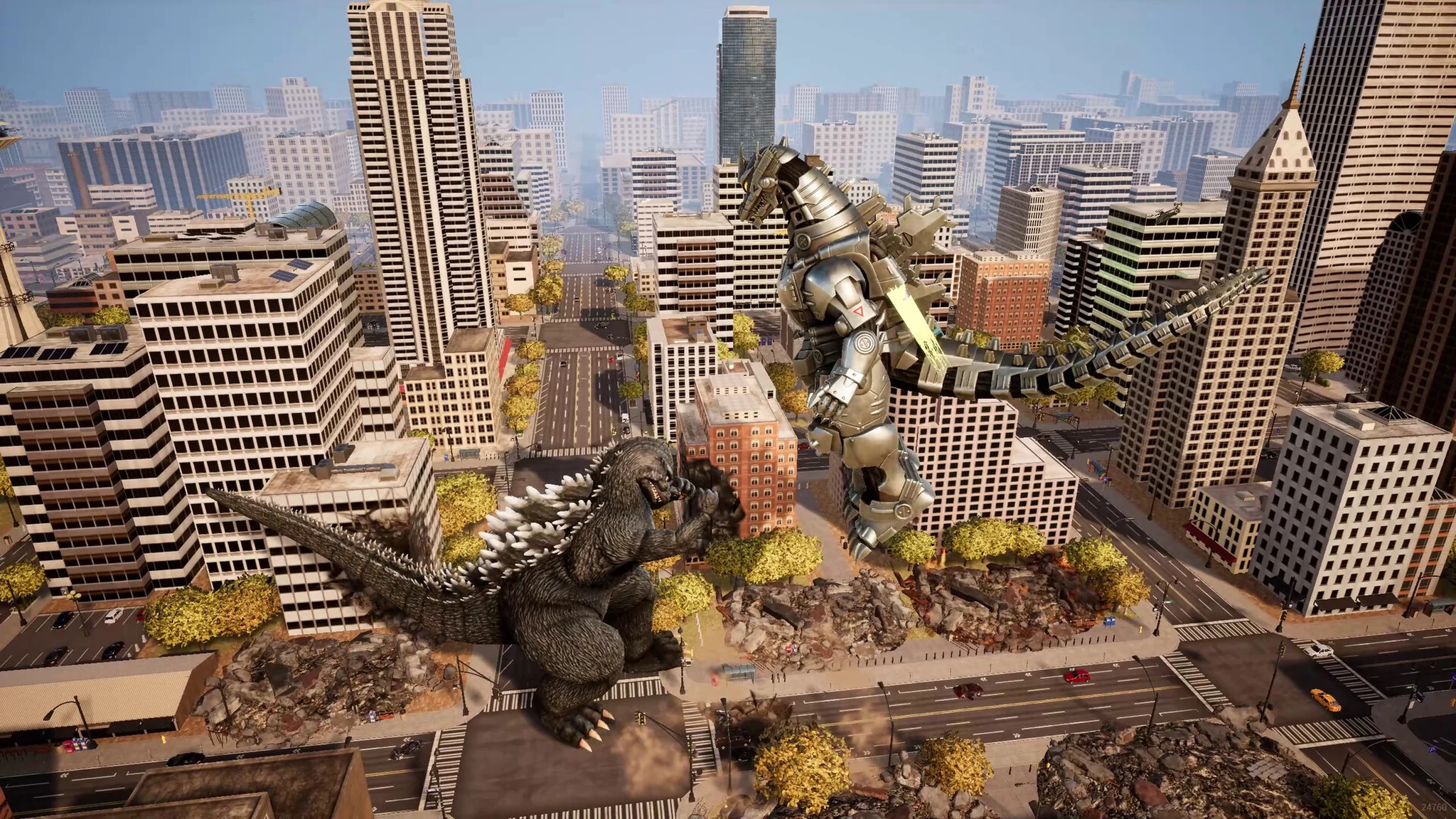
Here’s the important difference between this project and so many remasters that just bump the resolution. Pipeworks didn’t touch up the original code: it rebuilt the game from scratch in Unreal Engine 5. Atari calls it a high-fidelity remake, and in practice that shows in what’s on screen: bigger, more detailed cities, lighting and atmosphere the original couldn’t afford, 4K performance and haptic support on compatible controllers.
Destruction is still at the center of everything. Every monster has its own moveset: melee attacks, ranged energy attacks and special Fury mode strikes, which kick in when the fight gets ugly. And the old magic is still intact: the stages aren’t decoration. A skyscraper can be ripped out of the ground and thrown at your rival, and a monument can become the weapon that decides the fight.
Something that was rigid in 2002 also changes: the unlock system. It now runs on a currency earned by playing in any mode, and it unlocks monsters, stages and gallery items in whatever order the player chooses. In the original, new monsters were earned by finishing Adventure mode, in a fixed order. It looks like a small change, but it changes how you play: you no longer have to grind through a mode you don’t care about to reach the monster you want to use.
The 12 kaiju: the full roster and the change you’ll notice most
The roster has 12 playable monsters, the same as the Xbox version of the original, with one change veteran fans will spot the moment they open the character select: Heisei-era Godzilla (from the ’90s), Godzilla 2000, Anguirus, Rodan, King Ghidorah, Mecha-King Ghidorah, Gigan, Megalon, Destoroyah, Orga, Kiryu and Mechagodzilla.
The change is in that last name. In the original, Mechagodzilla was the 1993 design, from the Heisei era. In the remaster, Pipeworks replaced it with the Showa-era Mechagodzilla, from 1974, the silver robot Godzilla fought in the classic film. It’s the same roster slot, but a different design, a different character and, for many fans, the Mechagodzilla that actually matters. Kiryu, the Millennium-era Mechagodzilla, stays on the roster, so the game now has two mechanical versions of Godzilla with very different personalities.
Each kaiju has its own stats, moveset and special abilities, and these aren’t cosmetic variations. King Ghidorah is range and flight: it punishes from a distance and suffers up close. Rodan is pure speed, the fastest on the roster and also the most fragile. Anguirus plays defense and counterattack. Godzilla, in both versions, is the balanced one, the one to learn with and to win with. There’s no “right” monster, just the one that fits how you play.
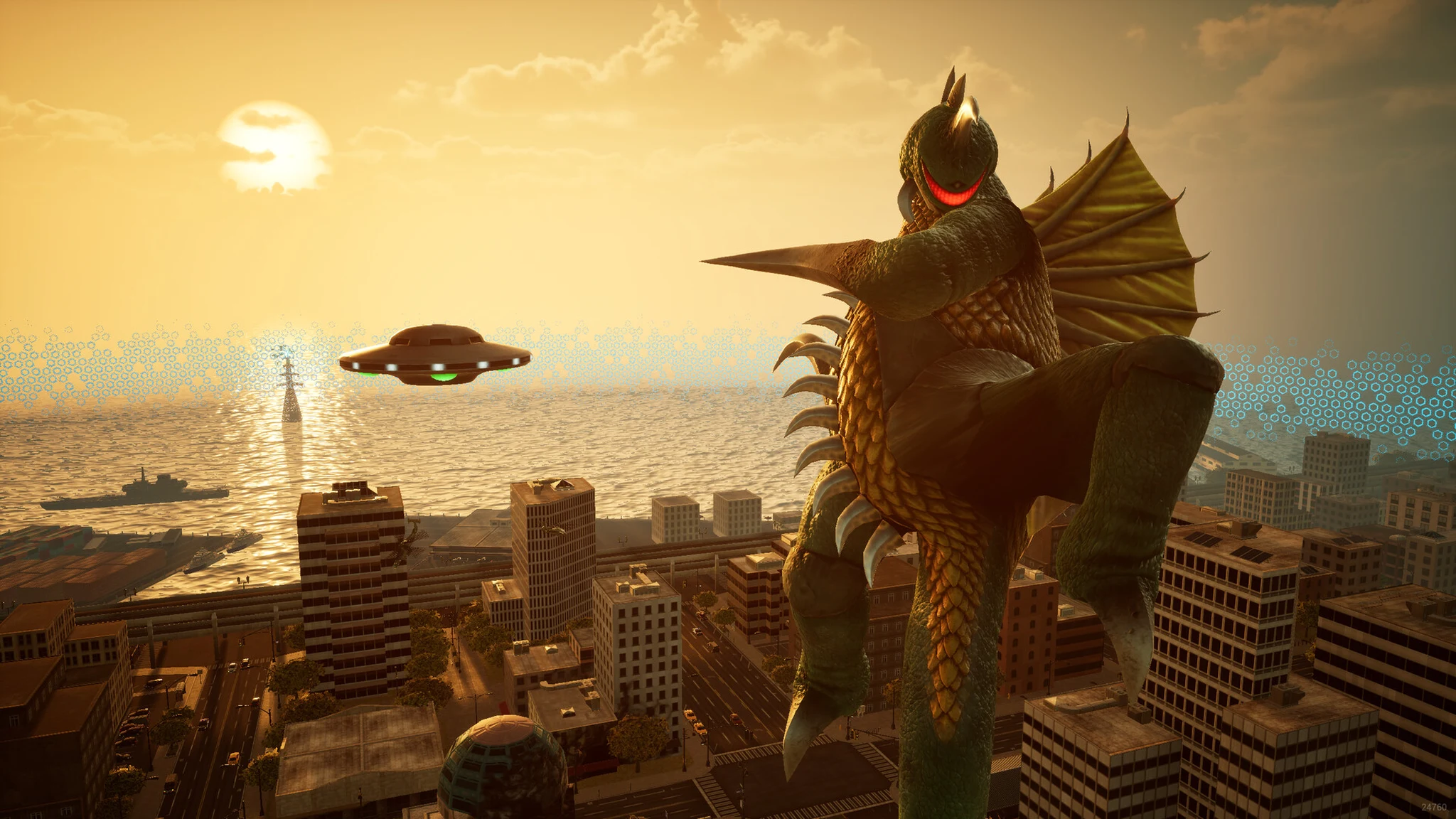
One thing worth knowing before you buy: not everyone is available from the first minute. According to early reviews, ’90s Godzilla, Anguirus, Megalon and Gigan are playable from the start, and the rest unlock as you play. Mothra, who appeared in the original game’s materials, isn’t one of the 12 playable monsters.
Game modes: a campaign per monster, city destruction and tournaments
The main single-player mode is Adventure, and here’s a real change from 2002: each of the 12 kaiju has its own campaign. In the original, Adventure mode was basically the same run with a different monster. Now each campaign is built around its character, which gives you a reason to come back to single-player after trying multiplayer — something the original didn’t have.
Destroy mode is also back, where you score points by flattening cities and spend them on upgrades for your monster, plus an expanded Tournament mode with brackets for up to four players. Both modes were shown in the build Pipeworks brought to Summer Game Fest, so it’s worth taking the details with a grain of salt until the game has spent more days in players’ hands, but the structure is confirmed.
Local multiplayer is still the heart of the game: up to four players on the big maps, on the couch, like in 2002. The new thing is online multiplayer, with matchmaking, which the original didn’t have. One thing worth knowing before buying it for the online play, though: according to the GameWatcher review, online matches are one-on-one and there’s no crossplay between platforms at launch. Atari hasn’t said it will change, but it hasn’t ruled it out either.
Eight stages with day and night: from Tokyo to Monster Island
The game has 8 stages, and each one has day and night variants, plus fog variants seen in the previews. It’s not just a lighting change: fighting at night in Tokyo, with the buildings lit up and the city half in ruins, is a different fight from the same map in daylight.
The stages mix recreated real cities, like Tokyo and San Francisco, with places from the Godzilla universe: Monster Island and the alien Mothership. It covers what fans expect: the city you have to protect and destroy at the same time, the island of monsters and the strangest stage of all, the one with the invaders from space.
The story: the Vortaak are pulling the strings again
If there’s one area where the game doesn’t try to surprise anyone, it’s the story. The premise is the same as the original: the alien Vortaak have come to Earth and are mind-controlling most of the kaiju to flatten the planet and prepare it for a full-scale invasion. The player takes control of one of those monsters and fights the rest, in a plot told mostly through Adventure mode.
It’s not a deep story, and it doesn’t try to be. It’s the classic monster-movie excuse: invaders from space, monsters out of control and cities caught in the middle. It works because it doesn’t get in the way: it gives a reason for Godzilla to fight King Ghidorah in San Francisco, then steps aside and lets the fight speak for itself.
Is it worth it? What the early reviews say
The early reviews agree on the essentials: it’s a faithful return, fun above all in local multiplayer, and short on modes and depth. Final Weapon called it “a faithful but limited return,” and the general critical take runs along the same lines: the game does very well what it promises, but it doesn’t promise much more than the 2002 original.
That’s not necessarily a flaw, but it is the detail that decides the purchase. If what you’re looking for is a deep fighting game, with systems to master for months, this isn’t that game. If what you’re looking for is an afternoon knocking down buildings with friends, choosing between 12 monsters and reliving a classic you played on GameCube, the remaster delivers exactly that, and it does it looking better and with options the original didn’t have, like online multiplayer and per-kaiju campaigns.
The price helps put it in context: at $29.99 it costs less than half of a big launch, and it’s an honest price for what it offers, a complete game with no passes and no cut content. The Steam Digital Deluxe upgrade, at $5.99, is optional and doesn’t affect the game.
There’s one calendar detail you can’t ignore: Godzilla is having its best moment in years. The movie Minus Zero is breaking records in theaters, and this game arrives just as the monster is back in every conversation. That’s no coincidence: Atari and Toho knew November was Godzilla’s month. And November doesn’t let up, because GTA 6 arrives on the 19th, the biggest launch of the year. Between one thing and another, it’s an expensive month for players, and this remaster, at $29.99, is one of the few you can buy without thinking twice.
If you played the original, the answer is simple: yes, it’s worth it, because it’s the same game with the look and the options it deserved. If you didn’t, it’s worth it if you understand what it is: a straightforward, no-pretensions monster fighting game, made for laughing while you knock cities down. Godzilla doesn’t need more than that.