
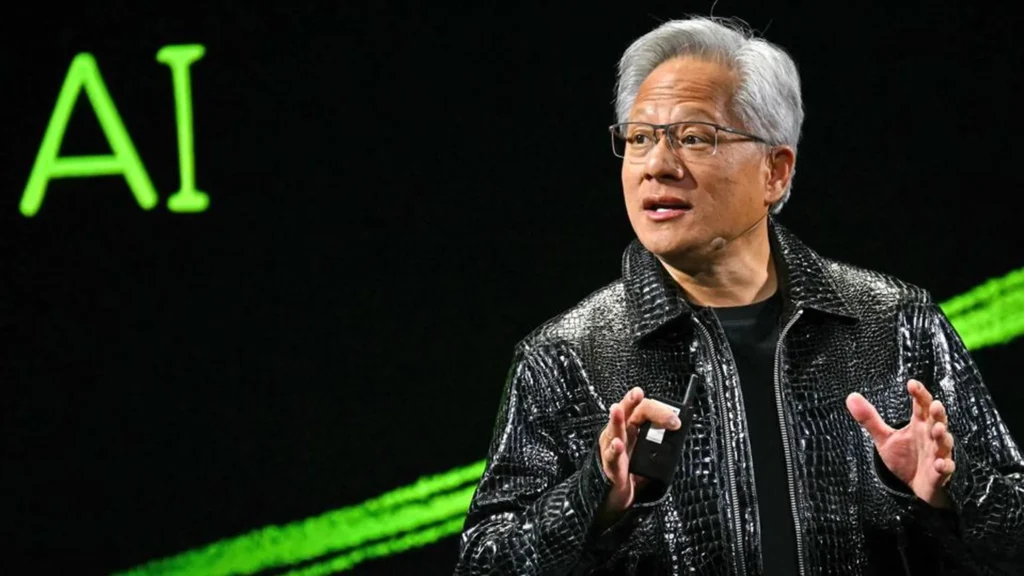
Five days. That’s how long Jensen Huang’s resignation lasted as a closed story. On Sunday, November 15, the Financial Times reported that Nvidia’s co-founder has been talking with people close to him about the possibility of returning as chief executive, just three days after stepping down. Reuters and Bloomberg picked up the report. Neither Nvidia nor a spokesperson for Huang would comment.
That caveat matters, because the rest of this story depends on it: there is no comeback. There is no board decision, no SEC filing, no public confirmation from anyone. There is a Financial Times report, citing people familiar with the matter, and a campaign by allies who want him back. Everything else is weekend noise.
A resignation that lasted five days
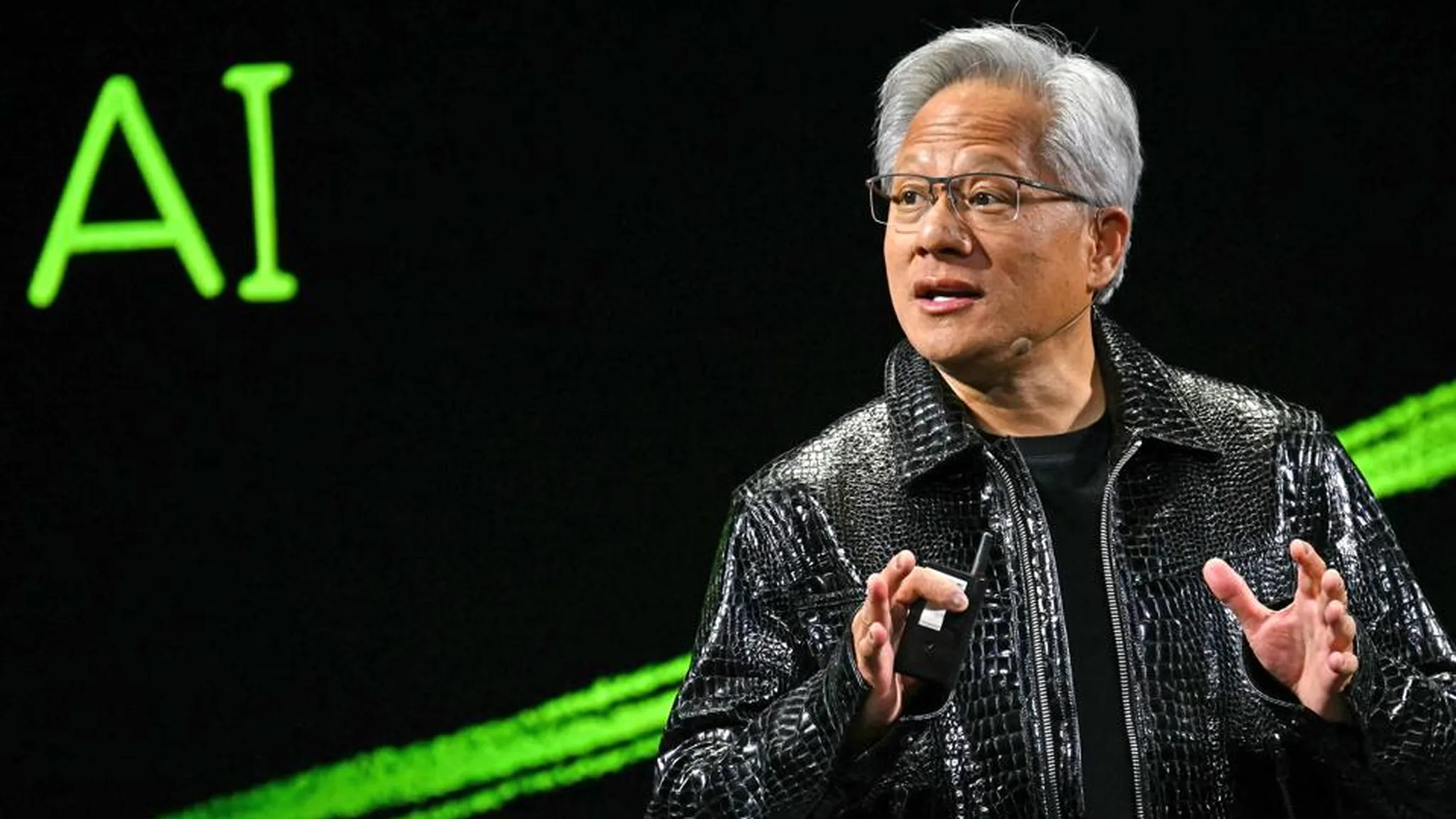
The timeline is short and dizzying. On November 8, Huang admitted in a message to employees that he had been unfaithful to his wife. On November 11, the board accepted his resignation as president, chief executive officer and director, effective immediately, according to the Form 8-K Nvidia filed with the SEC. The public announcement came on Thursday, November 12, along with the appointments: Colette Kress, chief financial officer since 2013, becomes interim CEO while keeping her CFO job, and Harvey C. Jones, the former Synopsys chief executive and a board member since 1993, becomes the first board chair in the company’s history.
The board has started a search for a permanent CEO and says it will consider internal and external candidates. The company gave no reason for the departure. The statement thanks Huang for his contributions, doesn’t quote him, and says operations, customer commitments and the product roadmap will continue without interruption. Nvidia makes the chips that most of today’s AI runs on: from Google’s models, like Gemini 4 Carbon, to Anthropic’s, which just set the terms for its IPO. That’s why a crisis in its boardroom isn’t company gossip: it’s news that touches the whole industry.
The “war room” and the petition
According to the Financial Times, one Huang ally is putting together a “war room” of Silicon Valley executives to lobby the board for his return and seek backing from the White House. The campaign, according to the report, has Huang’s own support. Among those who have urged the board to reconsider are the funds Altimeter Capital and Atreides Management, and public backers include Tesla CEO Elon Musk and Epic Games CEO Tim Sweeney.
There’s also a public petition, “Stand with Jensen,” which Reuters says has passed 180,000 signatures, including current and former Nvidia employees, shareholders and supporters. On Friday the 14th, according to EFE, it stood at 120,000. That growth over two days says something about the mood, even though a petition isn’t a board decision: the board decides, and on Monday the 16th Reuters and CNBC reported, citing people familiar with the matter, that the board is not weighing Huang’s return and is focused on the independent investigation into his conduct.
One fact cools the enthusiasm. The board had already moved before the comeback report: the Financial Times reported on November 13 that it had approached Rene Haas, CEO of Arm, as a potential successor. And Huang, unlike some founder-CEOs, doesn’t hold a controlling stake — he keeps about 3.6% of the shares, according to Al Jazeera — so he can’t force his way back over the board. He can lobby, he can have allies, but the final vote isn’t his.

The Treasury Secretary is pushing too
The same Sunday, Treasury Secretary Scott Bessent said on Fox News that Nvidia needs “a dramatic shake-up” and that the board should look outside the company for its next leader. Bessent also demanded that the board and its outside counsel explain within 10 days the suspicions that advanced AI chips were diverted to China. Ten days from his remarks lands around November 25, a week after earnings.
The political pressure isn’t a footnote. Nvidia controls close to 80% of the GPUs used for AI, and any doubt about where its most advanced chips end up becomes a national security issue in Washington. The board has also opened an independent investigation into the case, run by independent directors with outside counsel.
What we know and what we don’t
In a story like this, the most useful thing is to separate what’s confirmed from what’s reported, because the two get mixed up fast.
Confirmed: Huang resigned on November 12 after 33 years leading the company he co-founded in 1993; the board accepted the resignation on the 11th, according to the 8-K; Kress is interim CEO and Jones chairs the board; Huang admitted in a November 8 message that he had been unfaithful to his wife; the board is searching for a permanent CEO and hasn’t set a date.
Reported, not confirmed: that Huang is weighing a return, that he has discussed it with confidants, that a “war room” exists to lobby the board. All of that traces to a single original report, the Financial Times’ November 15 piece, citing people familiar with the matter, and relayed by Reuters and Bloomberg. Nvidia and Huang’s spokesperson declined to comment.
And a third category of its own: the allegation that Alice Huang, a former executive at the company Megaspeed, is a collaborator of Chinese intelligence. That is a press report, not a public confirmation: there is no public confirmation that she took part in espionage. The board’s own statement doesn’t name Alice Huang or Megaspeed. In this article, that allegation is presented as exactly what it is: an unconfirmed report.
The stock and Tuesday’s test
Nvidia’s stock fell as much as 14% on Thursday the 12th, the day of the announcement, and fell again on Monday the 16th, down 4.1% to $156.14, after reports that the board is not weighing a return and that the United States tightened AI chip export rules. When the crisis broke, the company was worth around $4 trillion. Over the past month, the stock had lost roughly 27% of its value, a slide that predated the scandal and that the scandal made worse.
The next public date is Tuesday, November 17: Nvidia reports fiscal third-quarter 2027 results at about 1:20 p.m. Pacific, with the earnings call at 2 p.m. It will be Kress’s first call as interim CEO and the first without Huang at the helm in 33 years. This article publishes Tuesday morning, so the results aren’t out yet: there are no quarterly numbers here, only the date and what’s at stake. Kress has also called an all-hands meeting for Wednesday the 18th at noon Eastern, according to an internal memo from November 12.
Between Tuesday’s call, the answer the board owes Bessent before the 25th, and the search for a permanent CEO, the next two weeks will say whether Huang’s return is a real possibility or a weekend of headlines. For now, the only certainty is what the 8-K says: Huang is out, Kress is in charge, and the board is looking.
Frequently asked questions
Did Jensen Huang return to Nvidia?
No. The Financial Times reported on November 15 that he is weighing a return and has discussed it with confidants, but Nvidia has not confirmed any talks about his return and, according to Reuters and CNBC on Monday the 16th, the board is not weighing his return and is focused on the independent investigation.
Who runs Nvidia now?
Colette Kress, chief financial officer since September 2013, is interim CEO and keeps her CFO role. Harvey C. Jones is the first board chair in the company’s history.
Why did Huang resign?
Nvidia gave no reason. The resignation followed revelations about extramarital affairs, including one with a woman U.S. officials suspect of spying for China, an allegation that is reported and not publicly confirmed. Huang admitted on November 8 that he had been unfaithful to his wife.
When will we know more?
Tuesday, November 17, with the fiscal third-quarter 2027 results and Kress’s first earnings call as interim CEO. The board also has about 10 days to answer the Treasury Secretary, and it is still searching for a permanent CEO.